Uncategorized

Showing 65–80 of 3004 results

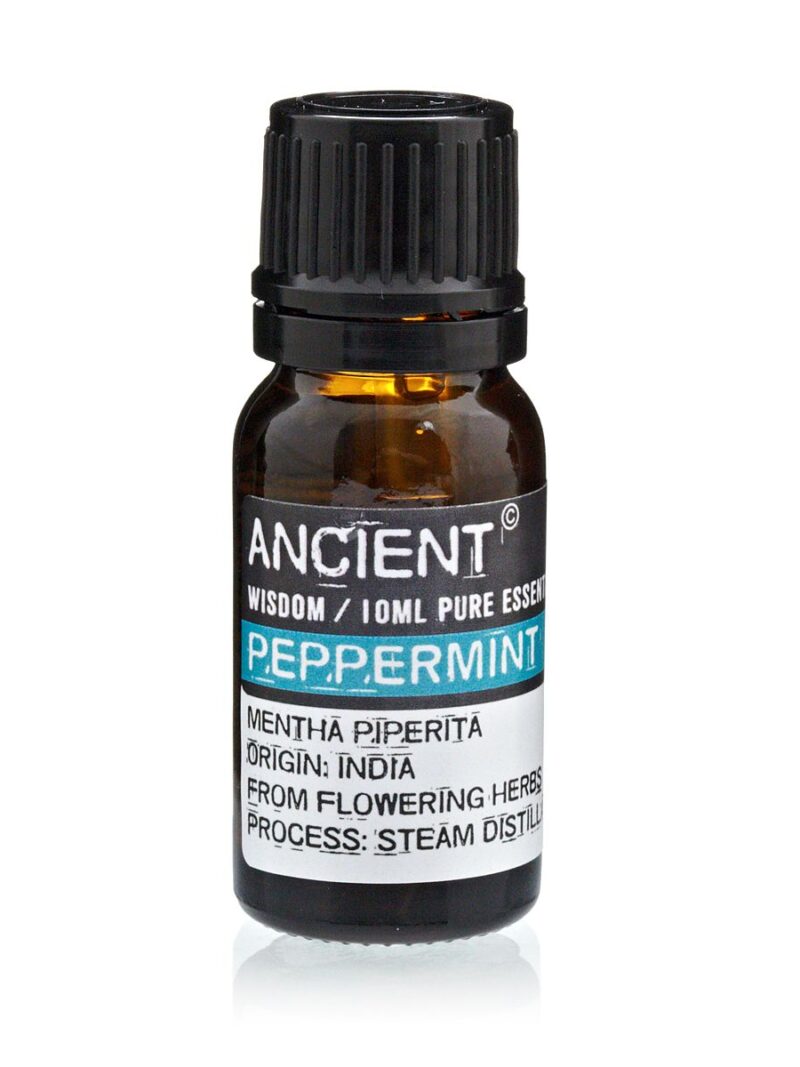
  • 10 ml Peppermint Essential Oil

    10 ml Peppermint Essential Oil

    £2.40

    Latin Name : Mentha Piperita.
    Part Of Plant Used : Flowering Herb.
    Source : India.
    Extraction Method : Steam Distillation.

    Peppermint Essential Oil is said to be good for ailments like asthma, colic, fever, flatulence, headache, nausea, chest congestion and vertigo. This oil is supposed to be excellent for mental fatigue and depression, refreshing and stimulating with its menthol content. It is good for the ski and is used in lotions to treat sunburn, itchiness or inflamed skin. It helps fight bad breath and gum infections when used in mouthwashes. When used in an oil burner it is not only therapeutic it also keeps away mosquitoes and other insects. 

    Peppermint is native to the Mediterranean but is now grown in other countries in Europe, America, and Asia. Discoveries prove that   peppermint has been used since ancient times in Egypt, Greece, Rome, China and Japan. According to Greek myth, a nymph called Mentha was turned, in a fit of anger, into a mint plant by her lover's wife Persephone. According to Pliny, peppermint was used to crown the Greeks and Romans during feasts. It has been used medicinally in England for the last few centuries.

    IFRA: IFRA
    SDS: SDS
    Allergen Declarations: Allergen Declarations
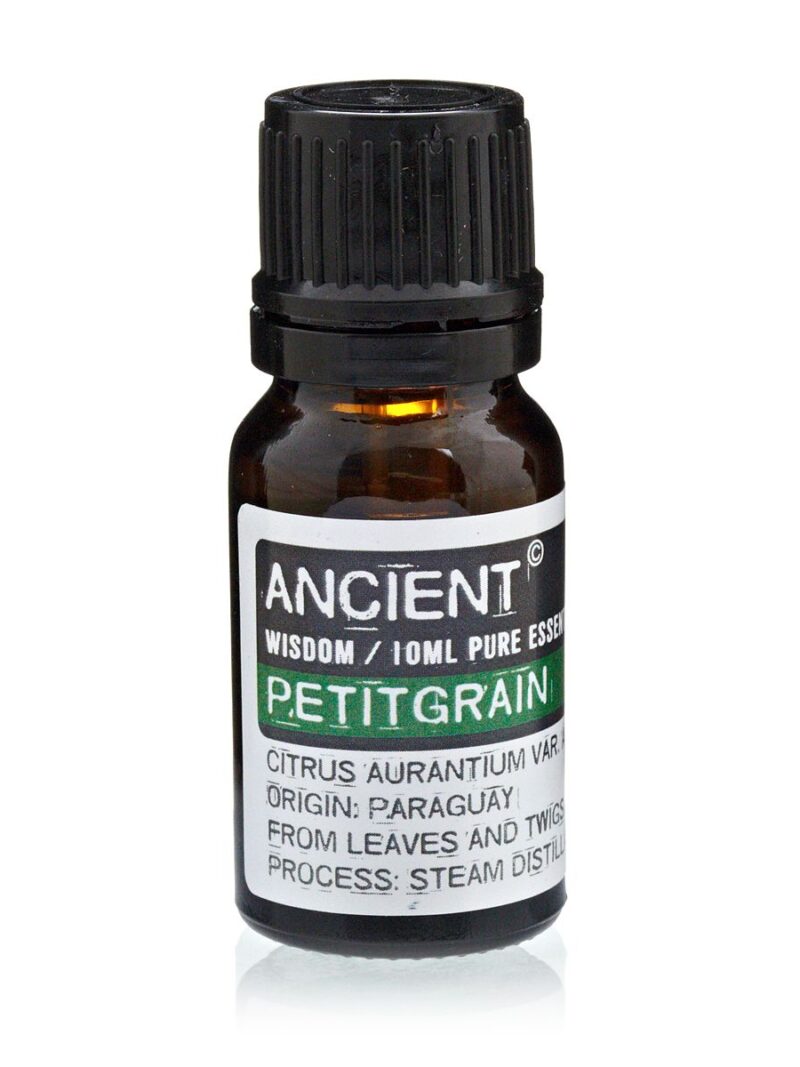
  • 10 ml Petitgrain Essential Oil

    10 ml Petitgrain Essential Oil

    £4.65

    Latin Name : Citrus Aurantium var. Amara
    Part of Plant Used : Leaves & Twigs
    Source : Paraguay
    Extraction Method : Steam Distillation

    Petitgrain Essential Oil is derived from the bitter orange tree, which has a long history of use in traditional health practices. Historically, Petitgrain essential oil has been used for cleaning purposes. Petitgrain is widely used in the perfume industry, giving body sprays, fragrances, lotions, and colognes a fresh, herbaceous note that is popular among both women and men.

    Petitgrain Oil possesses an aroma that is sweet, yet tart with subtle floral and woody characteristics. It blends especially well with citrus, floral and wood oils. Petitgrain will boost feelings of joy and bravery when facing a challenge and help promote hope and calm.

    IFRA: IFRA
    SDS: SDS
    Allergen Declarations: Allergen Declarations
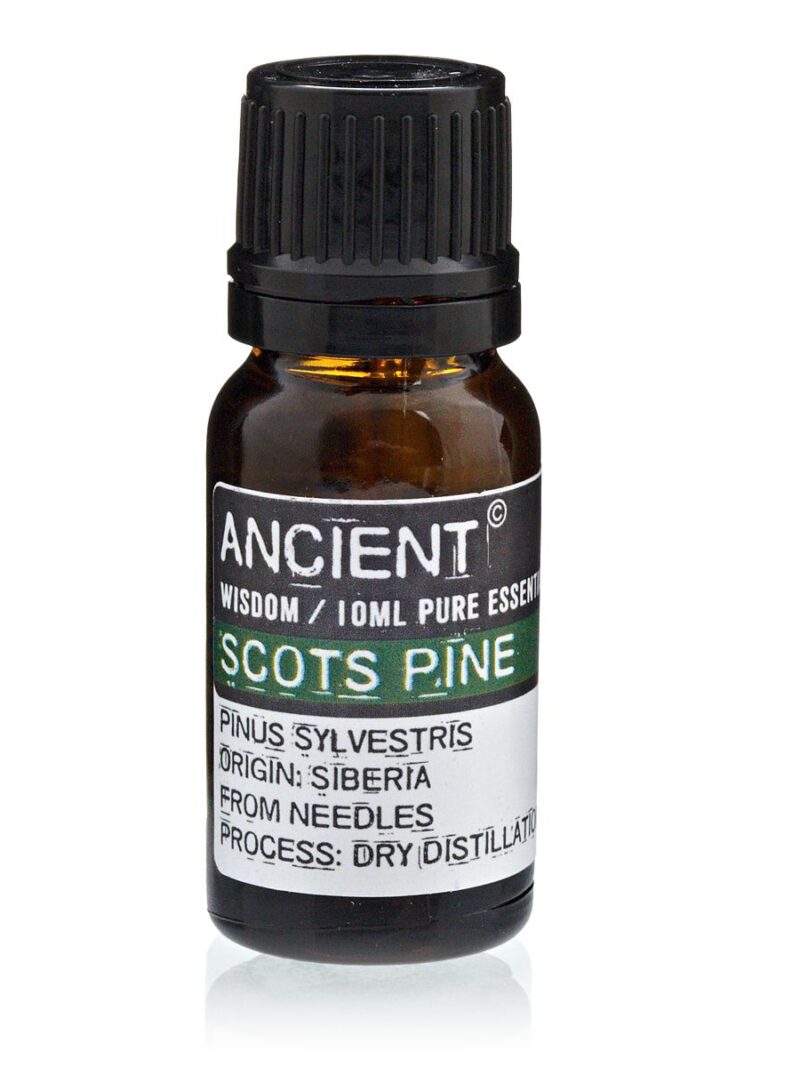
  • 10 ml Pine Sylvestris (Scots Pine) Essential Oil

    10 ml Pine Sylvestris (Scots Pine) Essential Oil

    £3.25

    Latin Name : Pinus Sylvestris.
    Part of Plant Used : Needles.
    Source : Siberia.
    Extraction Method : Dry Distillation.

    The health benefits of pine essential oil include its ability to reduce inflammation and associated redness, protect against sinus infections, clear mucus and phlegm, cure skin conditions like eczema and psoriasis, boost the immune system, fight fungal and viral infections, stimulate the mind and body, and protecting your home and body from a wide variety of germs.

    The numerous health benefits of pine essential oil have made it one of the most important essential oils used in aromatherapy. Pine essential oil blends well with many other oils including cedarwood, rosemary, lavandin, sage, labdanum, and juniper, and therefore, it can be widely used in making aromatherapy preparations. It has a very low toxicity for humans, so it is one of the safer essential oils, although some people are sensitive and can suffer from mild respiratory irritation when inhaling too much of this powerful oil.

    Pine essential oil is the oil obtained from the tree commonly known as pine, which has the Latin or scientific name Pinus Sylvestris. It is believed that this tree originated in Austria and Russia before spreading to different parts of the world. If you are still not sure what tree we are referring to, you have probably seen it used as a Christmas tree all over the world! One of the reasons that pine oil has become such an important element in supplemental health is its availability. It is relatively easy to make pine essential oil, and pine trees grow in huge numbers all over the world.

    IFRA: IFRA
    SDS: SDS
    Allergen Declarations: Allergen Declarations
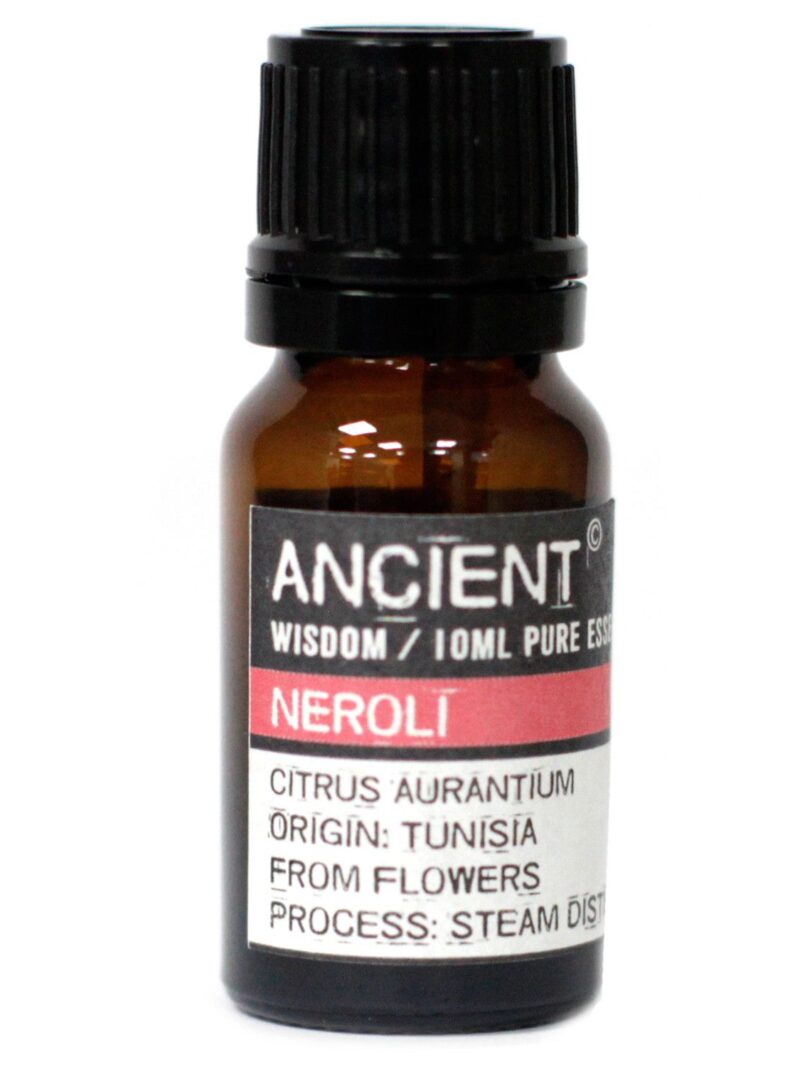
  • 10 ml Pure Neroli Essential Oil

    10 ml Pure Neroli Essential Oil

    £45.25

    Latin Name : Citrus Aurantium.
    Part Of Plant Used : Flowers
    Source : Tunisia.
    Extraction Method : Steam Distillation.

    Neroli Essential Oil is produced from the flowers of the bitter orangetree (Citrus aurantium var. amara), also known as Neroli bigarade, and smells similar to bergamot. The blossoms are gathered by hand and the oil is produced by water distillation as the flowers are too fragile for steam distillation. This is one of the most popular essential oils for its wonderful smell as well as its therapeutic properties.

    Neroli oil is very calming and is said to relieve chronic anxiety, depression, fear, depression, shock and stress. It is believed to calm intestinal spasms, colitis and diarrhoea as well. Due to its sedative property, it is good for insomnia, people with heart palpitations, neuralgia and vertigo. It is good to heat some in an oil burner in a convalescent's room. On the skin, Neroli oil is said to help regenerate skin cells and useful to prevent ugly scar tissue, promote smoother skin, fight stretch marks, and broken capillaries.

    Neroli oil is believed to have been used by the Romans. In 1680, Anna Maria Orsini, princess of Nerola, used the essence of the bitter orange tree as to perfume her gloves and her bath, thereby creating a fashionable new fragrance. From this time on, the essential oil became known as Neroli after her. Folk tales say that these orange blossoms were used to decorate bridal beds to help relax newly married couples in bed. The oil is expensive to produce, and much care is taken as the blossoms must be plucked just as they bloom.

    IFRA: IFRA
    SDS: SDS
    Allergen Declarations: Allergen Declarations
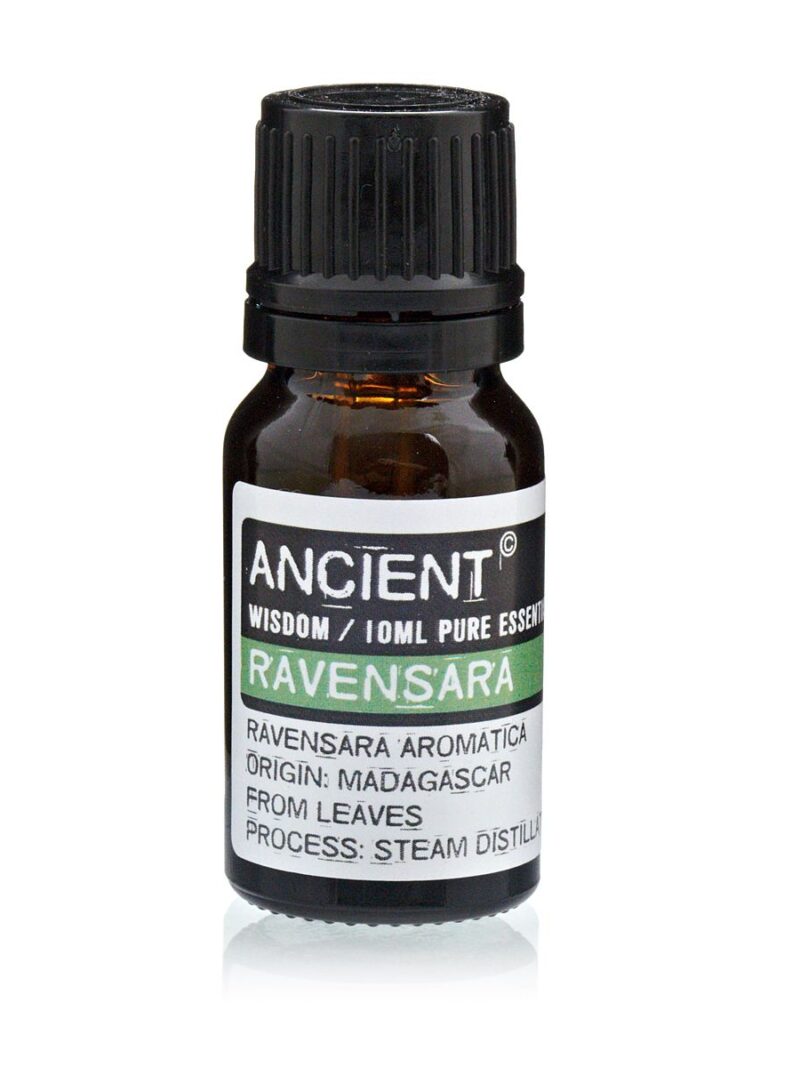
  • 10 ml Ravensara Essential Oil

    10 ml Ravensara Essential Oil

    £5.65

    Latin Name : Ravensara Aromatica
    Part Of Plant Used : Leaves
    Source : Madagascar
    Extraction Method : Steam Distillation

    This Ravensara Essential Oil is a powerful antiseptic, antibacterial, and antiviral, used to treat internal and skin conditions. Ravensara Essential Oil is used in aromatherapy to treat ailments caused by excess mucous and phlegm in the respiratory tract.

    The primary chemical compounds found in Ravensara essential oil include estragole (about 80%), methyl eugenol (8.5%), and limonene (3%).

    Estragole is known for reducing fatigue, alleviating stress, improving sleep quality, relieving headaches, boosting cognitive function, and improving mood.

    Limonene is well-known for its antioxidant and anti-inflammatory properties, providing a remedy for a range of health issues and improving overall well-being.

    Because of its antibacterial, antiviral, and antimicrobial properties, Ravensara essential oils effectively helps the body in fighting the cold virus. If you feel a cold coming on, try taking a relaxing bath with a few drops of Ravensara essential oil for relief.

    IFRA: IFRA
    SDS: SDS
    Allergen Declarations: Allergen Declarations
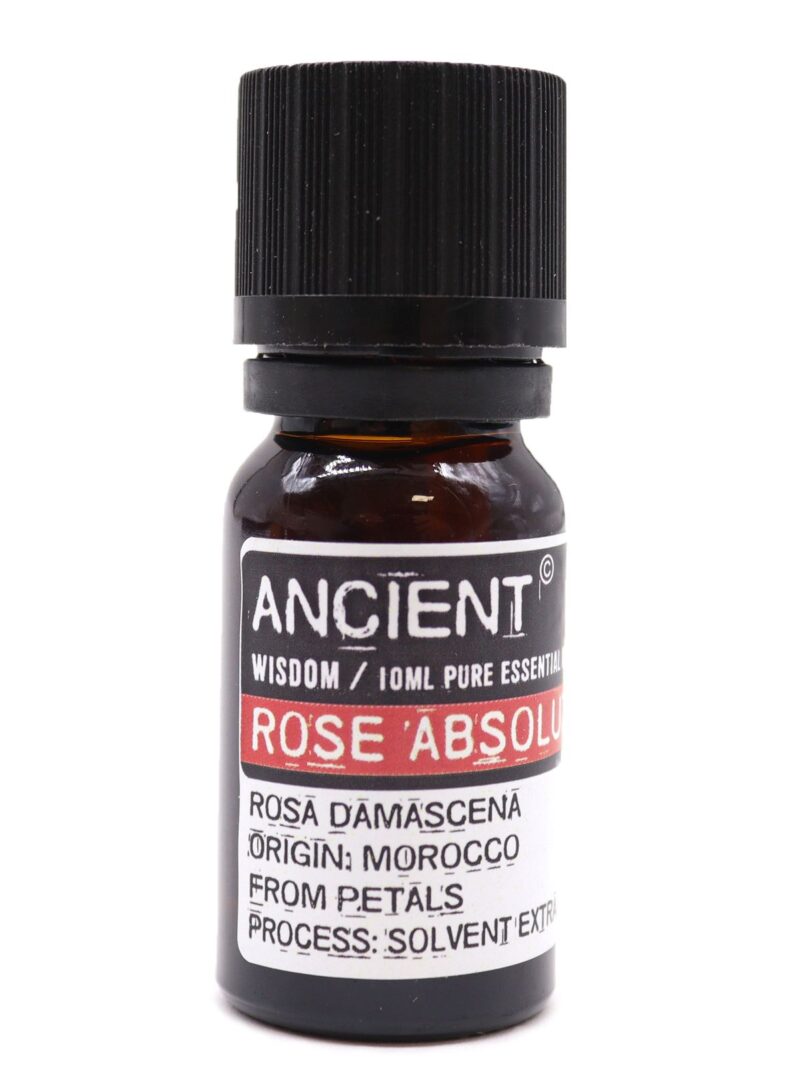
  • 10 ml Rose Absolute Essential Oil

    10 ml Rose Absolute Essential Oil

    £90.00

    Latin Name : Rosa Centifolia
    Part of Plant Used : Petals
    Source : Morocco
    Extraction Method : Solvent Extraction 

    Rose Essential Oil is more than just a pretty, floral scent. It has several therapeutic properties that makes it amazing in skincare products. Rose Absolute has several therapeutic properties, including antidepressant, antiseptic, astringent, calmative and sedative.  Rose Essential Oil is known for its antidepressant agents. It helps boost confidence, mental health and fights depression! 

    Most acne occurs when there is an overproduction of sebum in a person's pores, but increased bacteria plays a huge part in the development of acne too. Luckily, Rose Essential Oil has several properties that will reduce acne, including astringent, antiviral as well as bactericidal.

    IFRA: IFRA
    SDS: SDS
    Allergen Declarations: Allergen Declarations
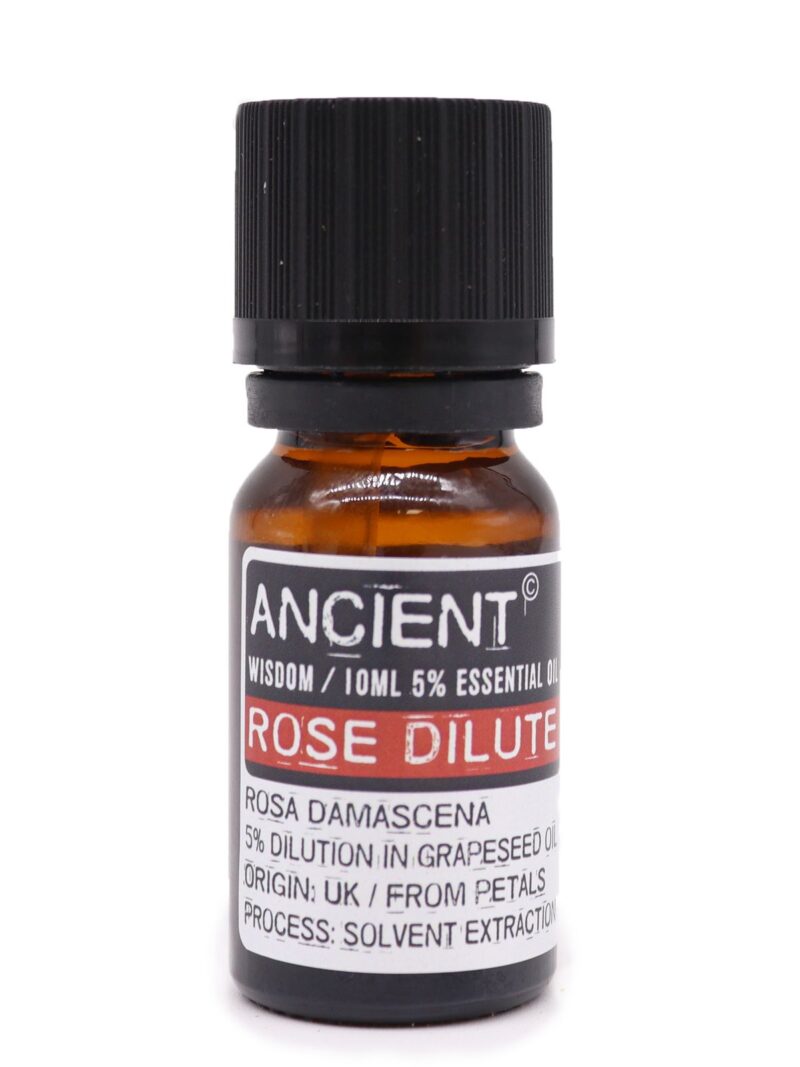
  • 10 ml Rose Dilute Essential Oil

    10 ml Rose Dilute Essential Oil

    £6.00

    Latin Name : Rosa Centifolia
    Part of Plant Used : Petals
    Source : Morocco
    Extraction Method : Solvent Extract

    5% Dilution in Grapeseed Oil

    Rose Essential Oil is more than just a pretty, floral scent. It has several therapeutic properties that makes it amazing in skincare products. Rose Absolute has several therapeutic properties, including antidepressant, antiseptic, astringent, calmative and sedative.  Rose Essential Oil is known for its antidepressant agents. It helps boost confidence, mental health and fights depression! 

    Most acne occurs when there is an overproduction of sebum in a person's pores, but increased bacteria plays a huge part in the development of acne too. Luckily, Rose Essential Oil has several properties that will reduce acne, including astringent, antiviral as well as bactericidal.

    IFRA: IFRA
    SDS: SDS
    Allergen Declarations: Allergen Declarations
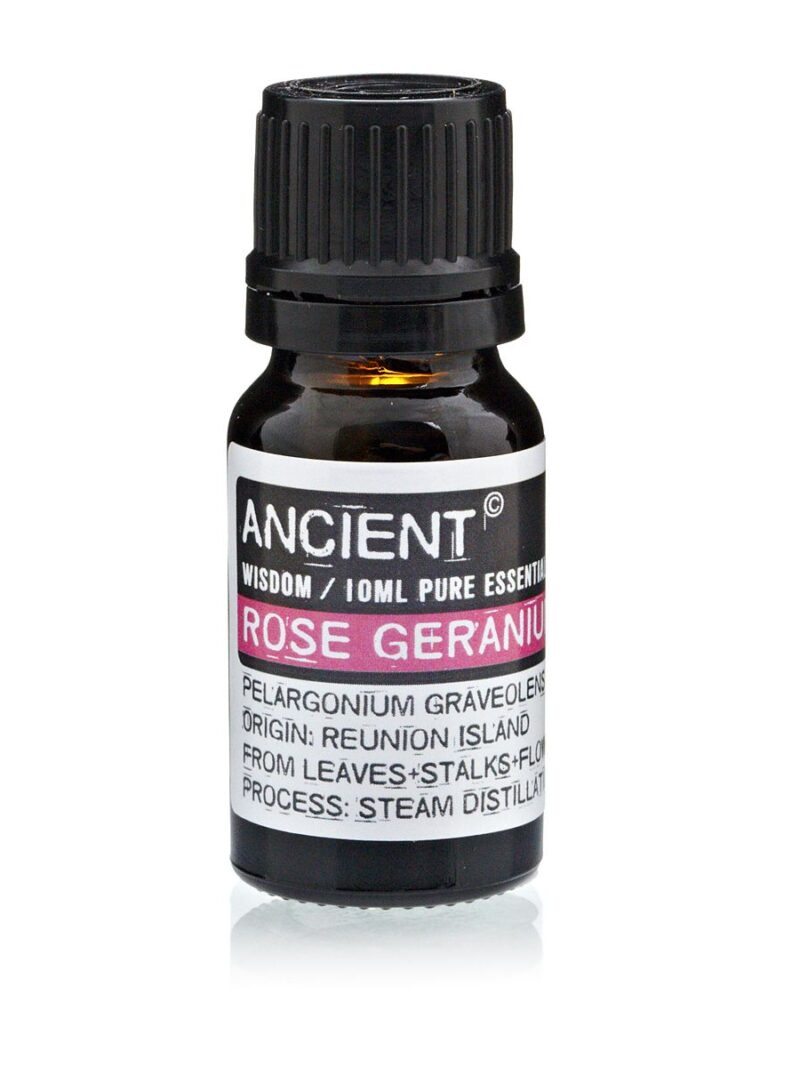
  • 10 ml Rose Geranium Essential Oil

    10 ml Rose Geranium Essential Oil

    £6.50

    Latin Name : Pelargonium Graveolens & P/Rosa Egypt
    Essential Oil Blend

    Rose Geranium Essential Oil is an active ingredient in some cosmetic products, like lotions and fragrances. A 2017 review of studies demonstrated that antioxidant properties in rose geranium oil may help reduce the signs of aging. Antioxidants are well-established as natural agents for improving your skin’s ability to heal itself from environmental toxins and exposure.

    Rose geranium oil has strong antimicrobial, antifungal, and antiviral properties.

    IFRA: IFRA
    SDS: SDS
    Allergen Declarations: Allergen Declarations
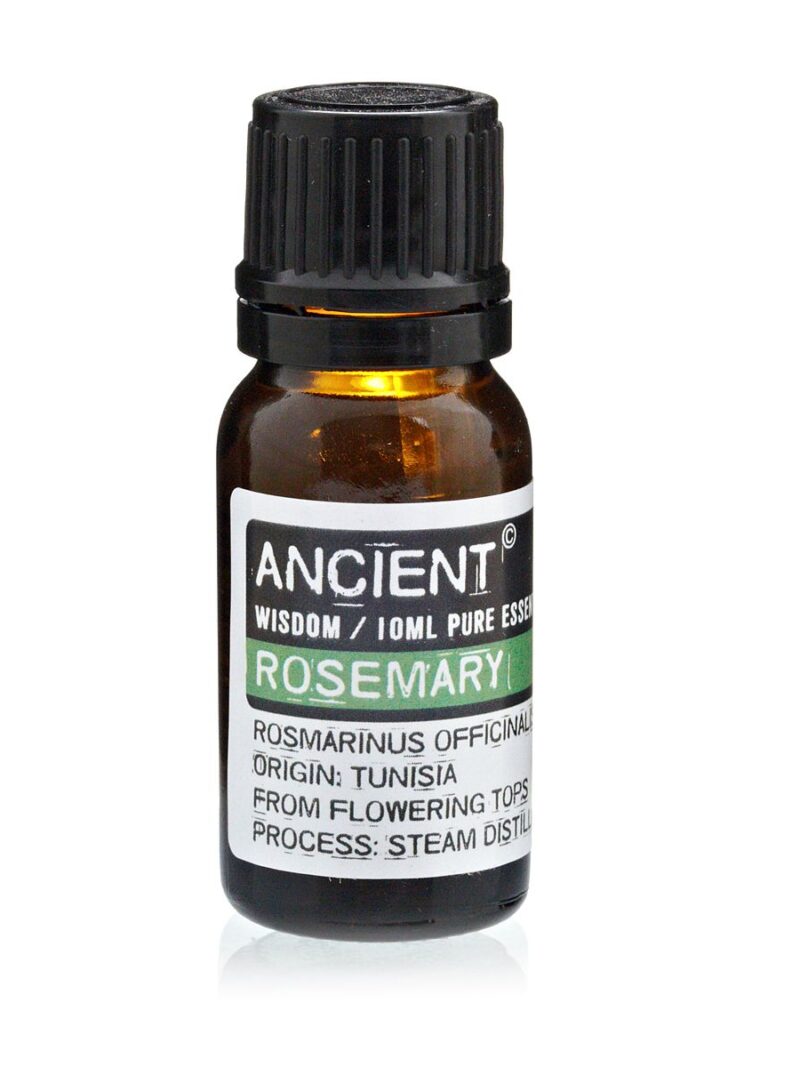
  • 10 ml Rosemary Essential Oil

    10 ml Rosemary Essential Oil

    £2.55

    Latin Name : Rosmarinus Officinalis.
    Part of Plant Used : Flowering Tops.
    Source : Tunisia.
    Extraction Method : Steam Distillation.

    The Essential Oil of the Rosemary Herb is steam distilled from the flowers, stems and leaves of the plant. According to the the British Pharmacopoeia, the oil distilled from the flowering tops is superior to that obtained from the stem and leaves, which is where  nearly all commercial oil are said to be distilled. The smell of rosemary essential oil is woody and herbal and is used in aromatherapy to refresh and stimulate the mind.

    This oil is helpful to treat wounds, burns, colds, flu, fatigue, digestive trouble, headaches, asthma, bronchitis, gout, rheumatism, liver and gall bladder problems, water   retention and poor circulation. For a massage, rosemary oil is often mixed with a base oil or two like almond, apricot kernel or hazelnut oil. It is good for the hair as it is said to increase circulation to the scalp and promote hair growth. Never use this oil internally, and avoid it if you're pregnant or suffer from high blood pressure or epilepsy. 

    Rosemary was well known and used in the ancient world. It was   believed to improve memory, so it became a symbol of fidelity and was used in weddings, funerals and other religious ceremonies. A sprig of rosemary was tied beautifully with ribbons and handed to wedding guests as a symbol of love and loyalty. 'Hungary water,' made of fresh rosemary tops soaked in wine for a few days was made for the Queen of Hungary and is said to have cured her of   paralysis.

    IFRA: IFRA
    SDS: SDS
    Allergen Declarations: Allergen Declarations
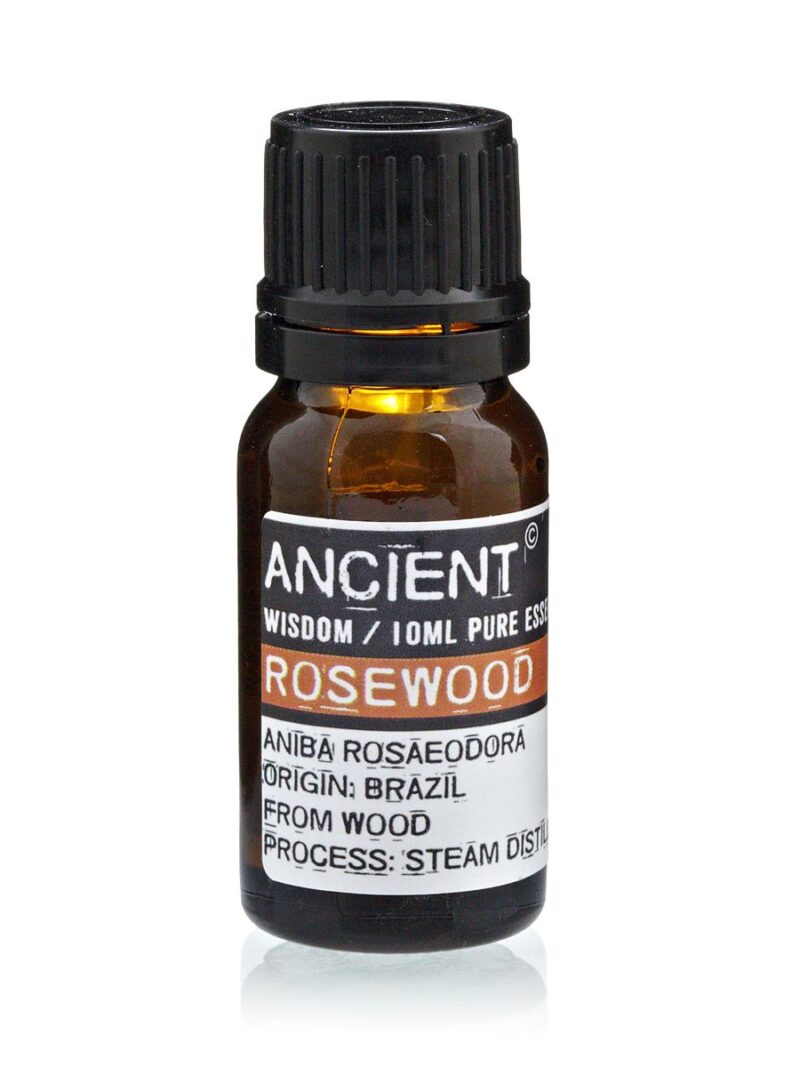
  • 10 ml Rosewood Essential Oil

    10 ml Rosewood Essential Oil

    £4.00

    Latin Name : Aniba Rosaeodora
    Part of Plant Used : Wood
    Source : Brasil
    Extraction Method : Steam Distillation

    The health benefits of Rosewood Essential Oil can be attributed to its properties as an analgesic, antidepressant, antiseptic, aphrodisiac, antibacterial, cephalic, deodorant, insecticide, and a stimulating substance. It is extracted from the rosewood tree.

    This essential oil can take away your depression and leave you smiling within minutes. The mild, sweet, spicy, and floral aroma of this oil does the trick and is thus favored by aromatherapy specialists. It drives away sadness and disappointment and prepares you to take on life with a new and positive perspective. It can be very good for those who recently failed or are feeling down, whether it is in terms of academics, professional situations, or relationships.

    Although not strong, this oil serves as a mild analgesic and can give you relief from slight headaches, toothaches, and pain in the muscles and joints. This oil can keep your brain cool, active, sharp, and alert and can take away headaches as well. This will also improve your memory and help protect you from neurotic disorders.

    This oil has insecticidal properties and can kill small insects like mosquitoes, lice, bed bugs, fleas, and ants. You can also use it in vaporizers, sprays, room fresheners, and floor washes. If rubbed on the skin, it keeps away mosquitoes as well.

    IFRA: IFRA
    SDS: SDS
    Allergen Declarations: Allergen Declarations
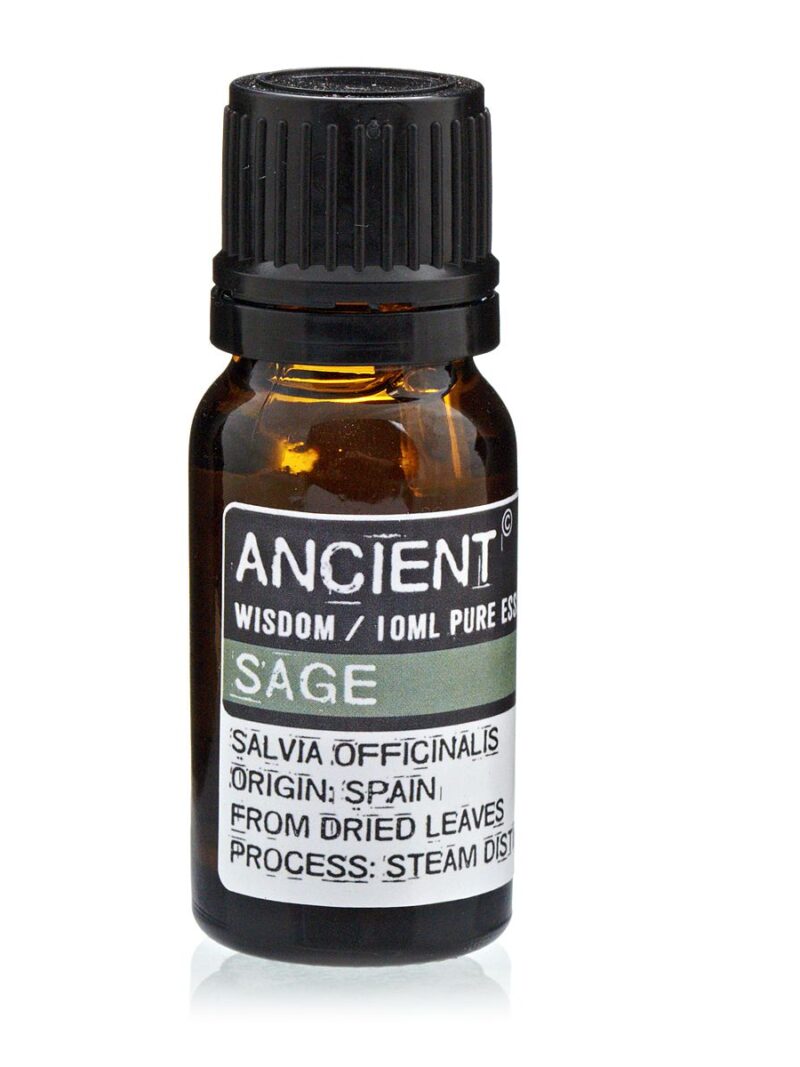
  • 10 ml Sage Essential Oil

    10 ml Sage Essential Oil

    £6.25

    Latin Name : Salvia Officinalis
    Part of Plant Used : Dried Leaves
    Source : Spain
    Extraction Method : Steam Distillation

    The health benefits of sage essential oil can be attributed to its properties as an antifungal, antimicrobial, antioxidant, antiseptic, anti-inflammatory, antispasmodic, antibacterial, cholagogic and choleretic, cicatrizant, depurative, digestive, disinfectant, emmenagogue, expectorant, febrifuge, laxative, and a stimulating substance.

    The presence of camphor and camphene in this essential oil gives it an antifungal property. This oil is capable of inhibiting fungal infections, both internally and externally, and gives relief from fungal infections like dysentery, skin diseases, Athlete’s Foot or dermatitis. This property is one of the causes behind its use in skincare products.

    Sage Essential Oil helps in digestion, soothing the stomach, and improving the functionality of the whole digestive system against inflammation caused by excessive acids. It also neutralizes acids in the stomach and the bloodstream, thereby providing relief from acidity and acidosis, which in turn protects us from peptic ulcers due to acidity, as well as from boils, eruptions, and skin diseases that occur when acid levels rise in the blood.

    IFRA: IFRA
    SDS: SDS
    Allergen Declarations: Allergen Declarations
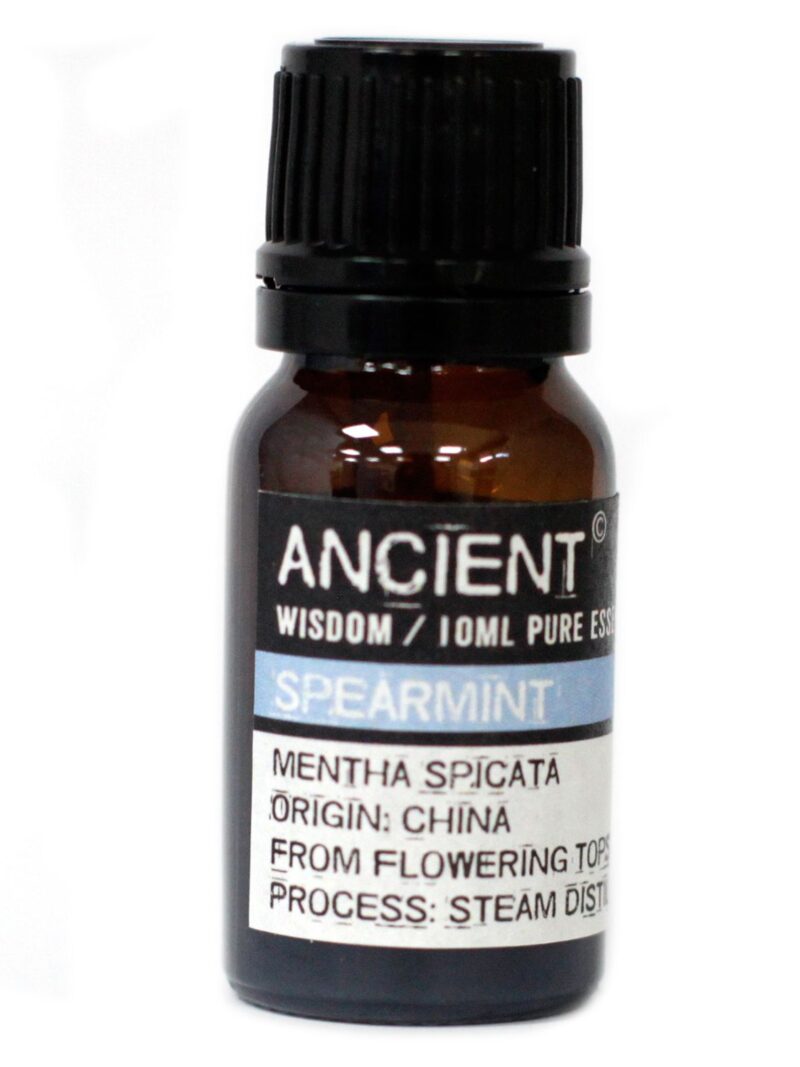
  • 10 ml Spearmint

    10 ml Spearmint

    £3.25

    Latin Name : Mentha Spicata
    Plant Part Used : Flowering Tops
    Source : China
    Extraction Method : Steam Distillation

    This Spearmint Essential Oil is a high grade 60% Carvone variety.Carvone is the naturally occuring chemical that gives Spearmint its distinctive odour. The other 40% of the oil is made up of
    other chemicals naturally occuring in the Spearmint plant.

    Spearmint Essential Oil is multi-purpose and it continues to be used to soothe ailments such as skin problems, headaches, nausea, vomiting, respiratory issues, and cold symptoms.

    Used in aromatherapy, Spearmint Essential Oil is said to help reduce nasal congestion caused by the excessive buildup of phlegm and mucus in the nose and throat, thereby promoting easier breathing. It has revitalizing, energy-inducing action on the body by working to enhance mood, concentration, and by energizing the skin. Its fresh, restorative fragrance helps to uplift the mood and comfort emotional stress.

    IFRA: IFRA
    SDS: SDS
    Allergen Declarations: Allergen Declarations
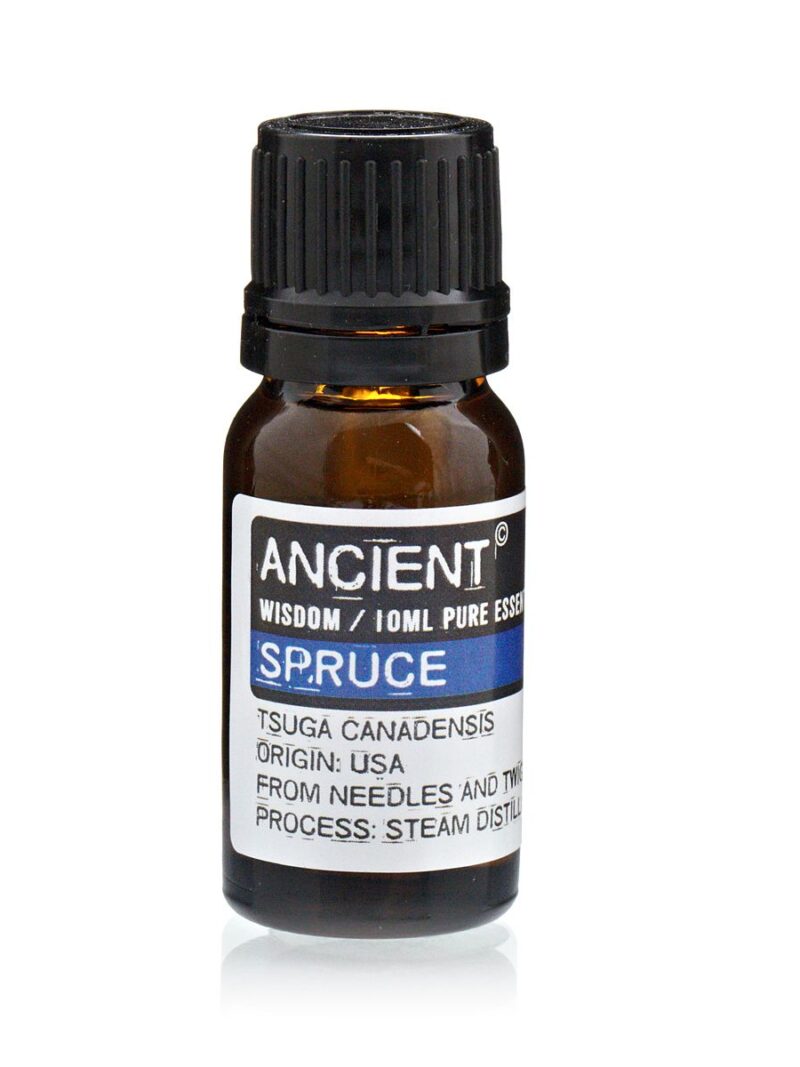
  • 10 ml Spruce Essential Oil

    10 ml Spruce Essential Oil

    £3.75

    Latin Name : Tsuga Canadensis
    Part of Plant Used : Needles & Twigs
    Source : USA
    Extraction Method : Steam Distillation

    The earthy-smelling Spruce Essential Oil, which is made from the needles and twigs of spruce trees, can be combined with other notable essential oils to help promote healing from muscles aches, sprains and strains. 

    Spruce oil has potent antibacterial, anti-infectious, anti-cancer, anti-inflammatory, antispasmodic, antiviral, antiseptic, disinfectant, expectorant and stimulant properties. It works wonders for respiratory ailments, wound healing, viral infections, arthritis, rheumatism and other forms of muscle aches and pains.

    Spruce oil is frequently added in soap, air fresheners and household cleaner formulations to lend its fresh scent and act as a disinfecting agent. Because of its pleasant earthy scent, its calming effects and its ability to ease anxiety and stress

    IFRA: IFRA
    SDS: SDS
    Allergen Declarations: Allergen Declarations
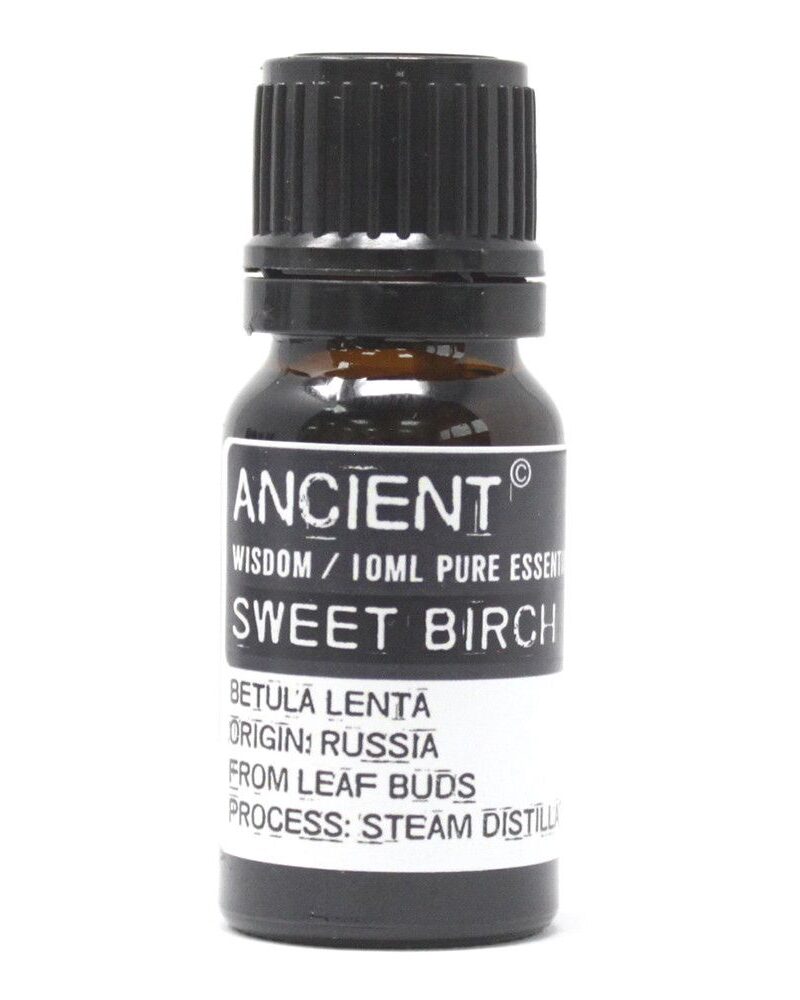
  • 10 ml Sweet Birch Essential Oil

    10 ml Sweet Birch Essential Oil

    £4.95

    Latin Name : Betula Pendula Roth
    Part of Plant Used : Leaf Buds
    Source : China
    Extraction Method : Steam Distillation

    This Sweet Birch Essential Oil is known to have natural astringent properties so can be very useful when well diluted in a carrier oil or cream or lotion. It may offer help to soothe skin conditions such as acne and eczema. It's also thought to be of assistance in removing toxins and boosting circulation.

    The health benefits of Birch Essential Oil can be attributed to its properties as a tonic, disinfectant, stimulant, antidepressant, analgesic, detoxifying, antirheumatic, antiarthritic, diuretic, antiseptic, astringent, febrifuge, germicide, insecticide, and depurative substance.

    Birch oil is helpful in reducing pain in the joints and muscles, as well as pain associated with headaches and toothaches. It is also antispasmodic and relieves cramping throughout the body.

    Since it stimulates the circulatory system and improves circulation, birch essential oil is very helpful in giving relief in diseases associated with improper circulation such as edema (swelling), rheumatism, and arthritis.

    IFRA: IFRA
    SDS: SDS
    Allergen Declarations: Allergen Declarations
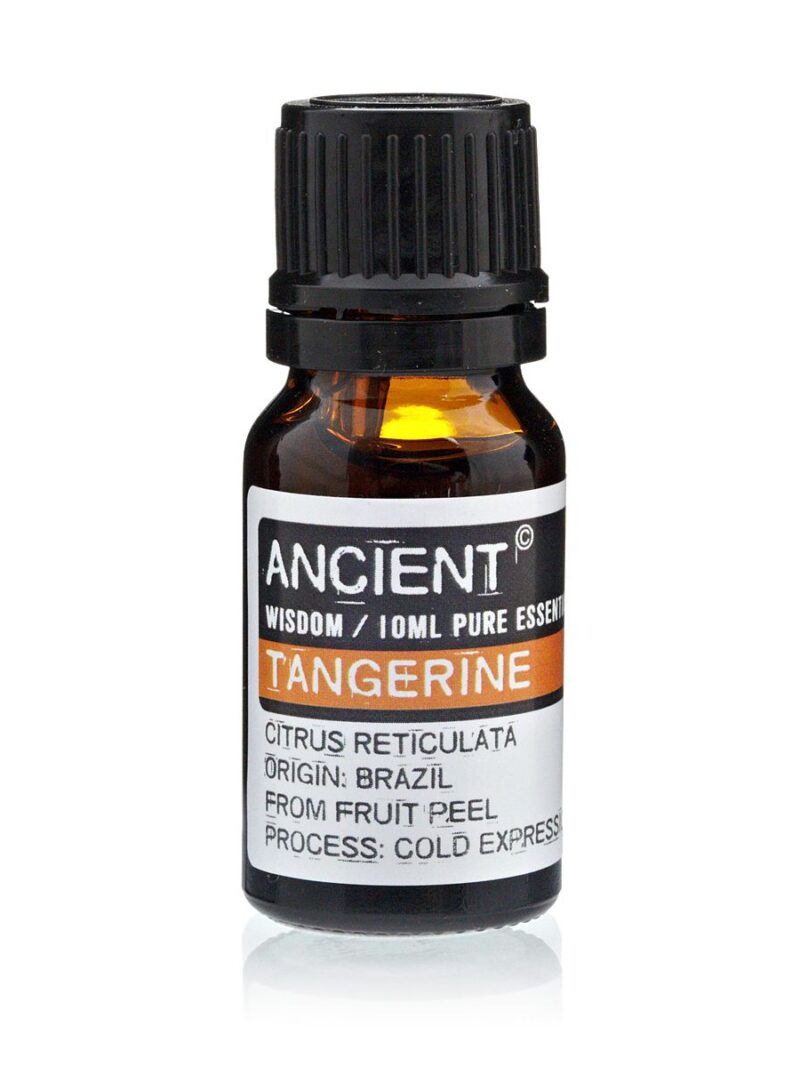
  • 10 ml Tangerine Essential Oil

    10 ml Tangerine Essential Oil

    £2.45

    Latin Name : Citrus Reticulata
    Part of Plant Used : Fruit Peel
    Source : Brasil
    Extraction Method : Cold Expression

    Tangerine is a calming essential oil with a sweet, tangy aroma, similar to orange. It helps with occasional nervous irritability. An excellent oil to help uplift the spirit and bring about a sense of security, tangerine is also rich in the powerful antioxidant d-limonene.

    Tangerine Essential Oil is considered a powerful depurative. It helps in the excretion or removal of toxic and unwanted substances such as uric acid, pollutants, extra salt and water from the body through sweat, urine, and the excretory process. It increases the oxygen-retaining capacity of the erythrocytes (red blood cells), thereby refreshing and purifying the blood.

    The essential oil of tangerine soothes the body. It soothes all types of inflammation and hyperactivity in the organ systems functioning in the body, namely the respiratory, circulatory, digestive, nervous, and excretory systems. It sedates inflammation from fever, the intrusion of poisonous substances in the bloodstream from external sources, convulsions, anxiety, stress, and hypersensitivity to allergies. It also sedates depression, anger, and impulsive responses.

    As a stomachic, the essential oil of tangerine keeps your stomach in a good condition by maintaining a proper flow of digestive juices and maintains the right balance between the acid and bile so that excess acids are neutralized. This also cures wounds, if any, in the stomach. It soothes the stomach and gives relief from inflammation.

    IFRA: IFRA
    SDS: SDS
    Allergen Declarations: Allergen Declarations
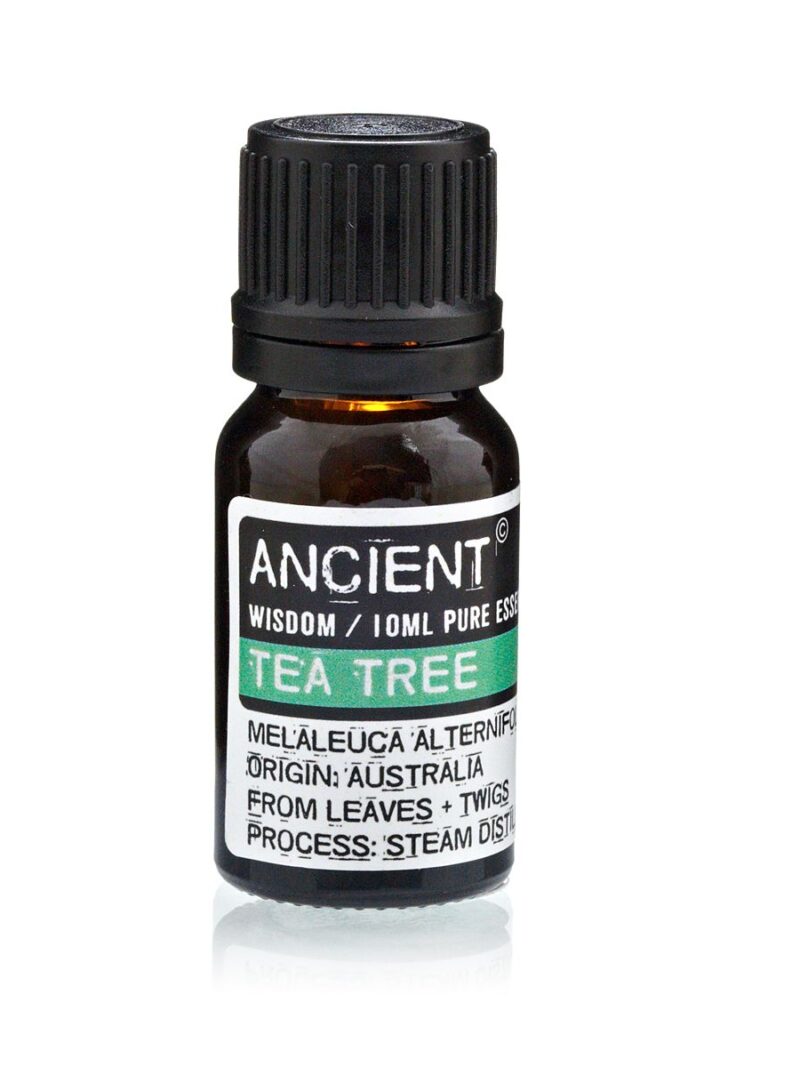
  • 10 ml Tea Tree Essential Oil

    10 ml Tea Tree Essential Oil

    £2.40

    Latin Name : Melaleuca Alternifolia.
    Part of Plant Used : Leaves & Twigs
    Source : Australia.
    Extraction Method : Steam Distillation.

    In early times, it seems the leaves of this tree were infused to make tea, which is how the name came into being. Tea Tree  Essential Oil is the concentrated liquid compounds steam distilled from the leaves of the tree Melaleuca alternifolia, which is native to the northeast coast of New South Wales, Australia. The oil is claimed to have valuable antiseptic and anti-fungal properties due to constituents called terpenoids, and is used in many personal care products and medicines today.

    Tea tree oil is said to be good for relieving  congestion, cold, cough and flu. It has been used to heal acne, fungal infections, dandruff, vaginal   infections, haemorrhoids, athlete's foot, and is   believed to soothe aching muscles and joint injuries.   When added to bath water it helps   control bacteria.  Tea tree oil is not to be taken internally. It is   usually used only on adults and must be kept away   from children and pets. Don't use it if you're pregnant or   lactating.

    The tea tree has been known for its medicinal properties since ancient times in eastern Australia. The Australian aborigines are known to have been using the crushed leaves to heal cuts, burns, sores, and infections for hundreds of years. They inhaled the oils from the crushed leaves to relieve coughs and colds. They   sprinkled this oil on wounds and applied a poultice on it. They infused the leaves and made tea to soothe sore throats. It was between 1920 and 1930 that the essential oil of this tree began to be known and used for its antimicrobial properties in Europe.

    IFRA: IFRA
    SDS: SDS
    Allergen Declarations: Allergen Declarations