Uncategorized

Showing 33–48 of 3004 results

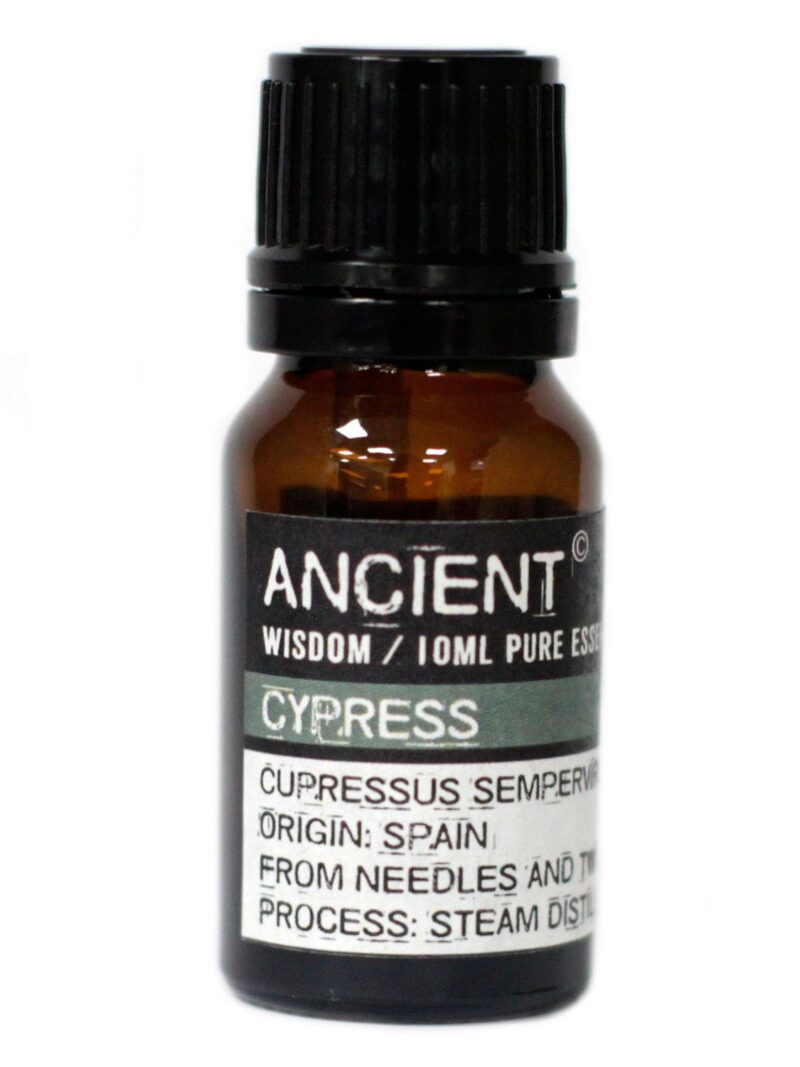
  • 10 ml Cypress Essential Oil

    10 ml Cypress Essential Oil

    £3.95

    Latin Name : Cupressus Sempervirens.
    Part Of Plant Used : Needles & Twigs
    Source : Spain.
    Extraction Method : Steam Distillation.

    This Cypress Essential Oil is extracted by steam distillation from the Italian or Mediterranean cypress. The oil is taken from the needles and twigs of young branches of these trees made famous by the paintings of Van Gogh. Cypress essential oil is said to calm strong emotions like anger and is therefore useful to have during major changes in one's life. 

    This essential oil works as a vasoconstrictor, helping with varicose   veins and haemorrhoids. It is supposed to work well to ease all conditions of excess fluid such as heavy menstruation, excessive sweating, cough, bronchitis, haemorrhage, and fluid retention. This oil soothes muscular cramps, helps regulate the menstrual cycle, and eases arthritis and rheumatic pain. Use this oil in a vaporiser to soothe the mind as well as for any respiratory trouble like asthma, bronchitis, whooping cough. It can be used in dilution in a cold compress to stop nosebleeds.

    The cypress tree is considered a mourning tree according to Greek mythology and is often grown in cemeteries for this reason. It is also associated with the god of the underworld, Hades. Phoenicians and Cretans used the wood of this tree for building ships and houses. Egyptians made sarcophagi from it and the Greeks carve statues of their gods with it. Legend has it that the cross of Jesus Christ was made of this wood, another reason cypress is connected to death. Ironically, the botanical name of cypress is derived from the Greek 'Sempervirens', which means 'live forever'.

    IFRA: IFRA
    SDS: SDS
    Allergen Declarations: Allergen Declarations
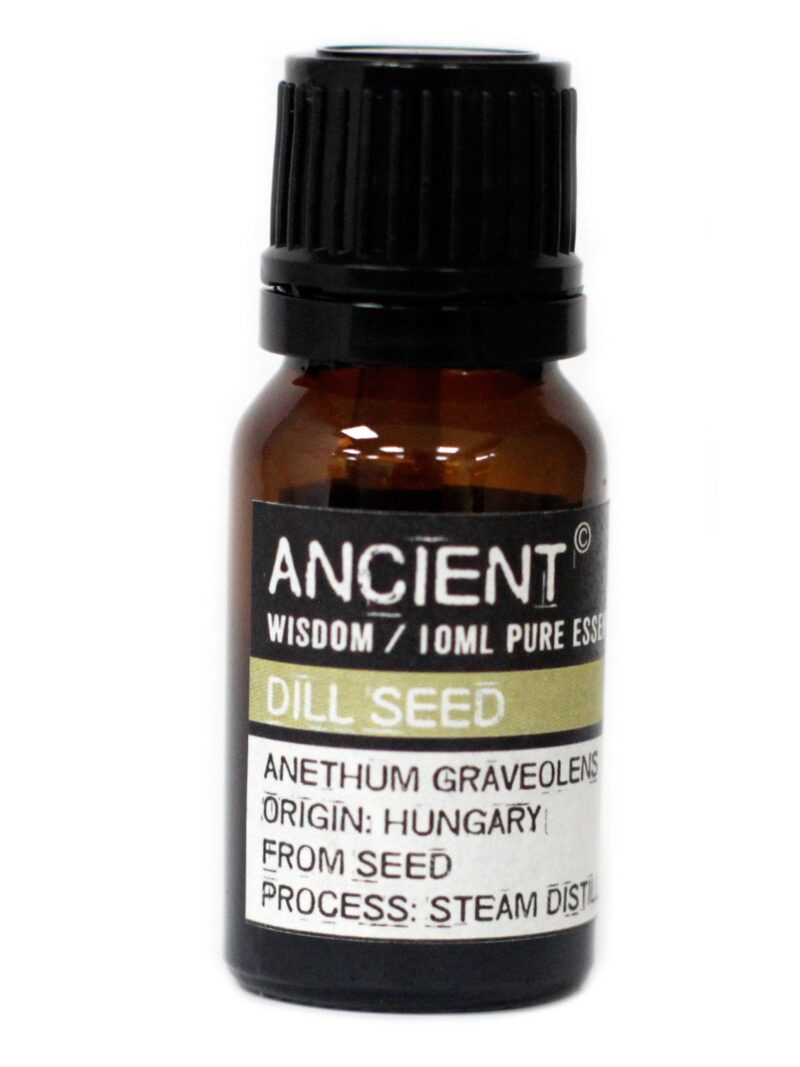
  • 10 ml Dill Seed Essential Oil

    10 ml Dill Seed Essential Oil

    £5.25

    Latin Name : Anethum Graveolens
    Part Of Plat Used : Seed
    Source : Hungary
    Extraction Method : Steam Distillation

    From boosting the immune system to relieving muscle cramps, this Dill Seed Essential Oil benefits are numerous.

    Spasms can be very irritating and in extreme cases, can even be fatal. Spasms are cases of unwanted and abnormal contractions, either in the respiratory tracts, intestines,  muscles, or nerves. Such attacks of spasms can be pacified with the help of dill essential oil. It has a relaxing effect on nerves, muscles, intestines and the respiratory system and pacifies spasmodic attacks, providing quick relief.

    Dill oil is also known for its disinfectant properties. It can be used in a diluted form for applying on the scalp to protect hair from various infections and even lice.

    Dill oil is stomachic, being a stomachic means being an agent that acts as a tonic to keep the stomach healthy, toned and functioning properly. It keeps the stomach in proper shape, regulates the secretion of digestive juices and bile into it, keeps it safe from infections and also helps the healing process of ulcers or wounds, if any, in the stomach.

    IFRA: IFRA
    SDS: SDS
    Allergen Declarations: Allergen Declarations
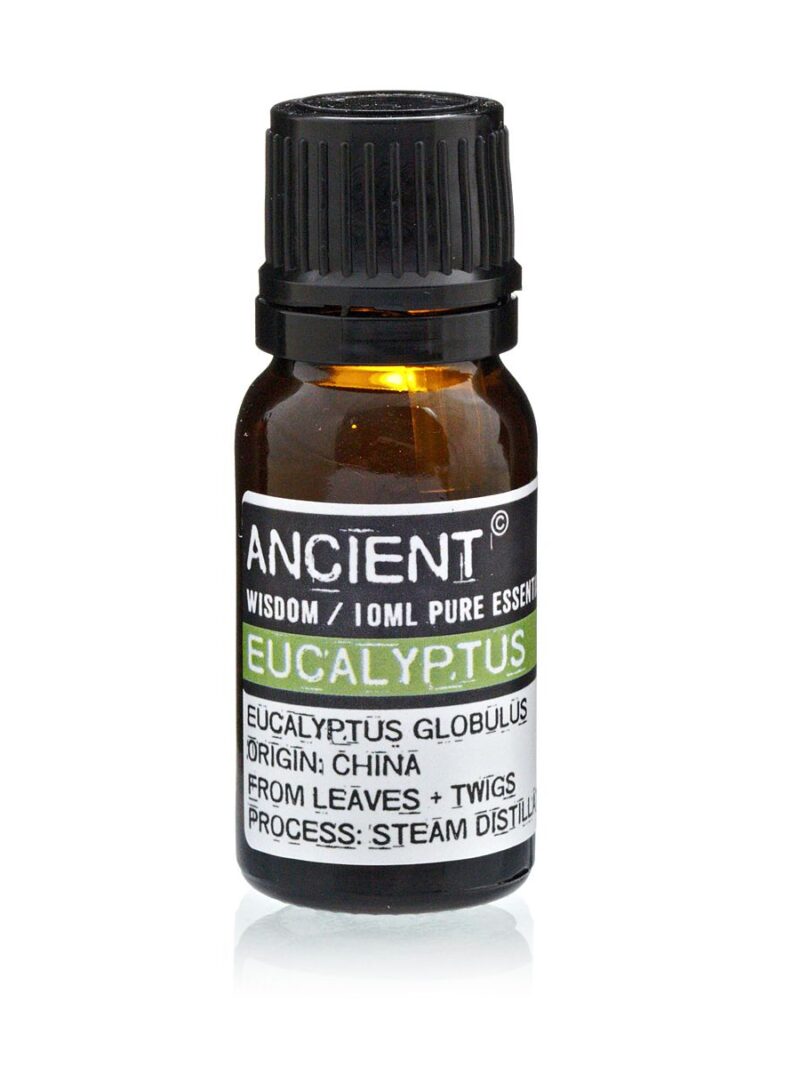
  • 10 ml Eucalyptus Essential Oil

    10 ml Eucalyptus Essential Oil

    £2.15

    Latin Name : Eucalyptus Globulus.
    Part Of Plant Used : Leaves & Twigs
    Source : China.
    Extraction Method : Steam Distillation.

    Eucalyptus Essential Oil is a concentrated liquid containing volatile aromacompounds from the Eucalyptus Globulus Tree. It is usually
    distilled, sometimes expressed or solvent extracted. Eucalyptus essential oil is said to be antibacterial, disinfectant and an analgesic. It has been used to relieve coughs, colds, and other such respiratory troubles. It soothes muscle and joint pains, and helps to heal wounds, burns, ulcers and insect bites. In
    aromatherapy eucalyptus is said to   promote activity, vitality, and energy.

    For respiratory troubles, a few drops of this oil placed on a cloth can be inhaled through the mouth and exhaled through the nose
    for half a minute. It is applied directly on sores, rashes and insect
    bites. Add a few drops to your bath water to feel invigorated and
    refreshed. Soak your sore feet in a basin of warm water with 4-5
    drops of this oil for relief. A few drops of oil in a diffuser is said to
    kill germs and airborne bacteria, a good idea for a sickroom.
    Eucalyptus essential oil is for external use only; always consult an authorised practitioner when using it as a health remedy.

    Essential oils have been understood to have played a role in   healing in ancient times in Egypt, China, and other parts of the world. They are said to be the oldest form of medicine and   cosmetic, since they are distilled from plants, not involving   complicated processes or machinery, but an art nonetheless. For their healing and aromatic properties, they were considered more valuable than gold to the ancients.

    IFRA: IFRA
    SDS: SDS
    Allergen Declarations: Allergen Declarations
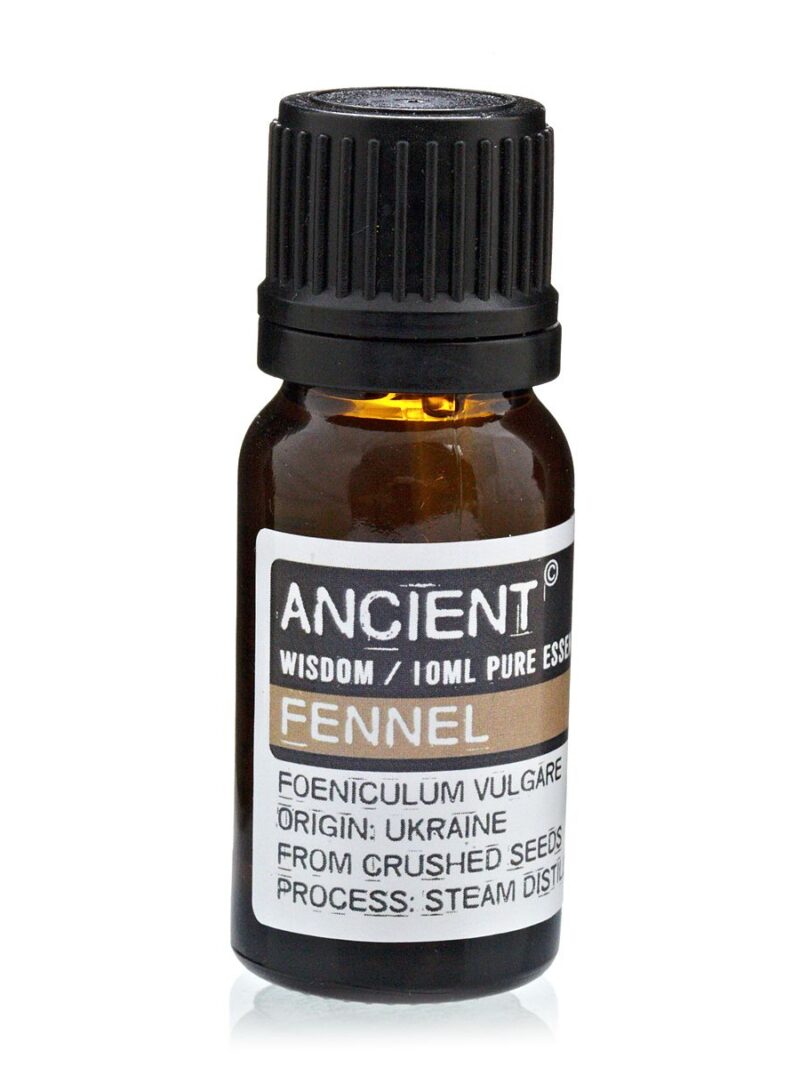
  • 10 ml Fennel Essential Oil

    10 ml Fennel Essential Oil

    £4.00

    Latin Name : Foeniculum Vulgare.
    Part Of Plant Used : Crushed Seeds.
    Source : Ukraine.
    Extraction Method : Steam Distillation.

    Fennel Essential Oil is extracted from the plant Foeniculum vulgare var. dulce, which is sweet fennel, also known as Roman fennel. It is extracted from the crushed seeds by steam distillation. The oil, like the seeds, is good for digestion as well as a host of other ailments. It is used in aromatherapy to treat oily skin, wrinkles, and obesity. It is said to boost courage, resolve, and strength.

    This oil is a popular remedy for digestive problems like flatulence, constipation, colic, nausea, vomiting, anorexia, and dyspepsia. It also helps in weight loss as it is said to promote the feeling of a full stomach. Its diuretic effect is believed to help disperse cellulite. Fennel oil is supposed to tone the spleen and liver. It has a cleansing and toning effect on the skin, and helps with bruises. Please note, this oil should not be used in large doses, and should avoided altogether in pregnancy, lactation, and those suffering from breast cancer, and epilepsy. 

    The word Fennel is derived from the Latin 'foenum,' meaning 'hay'. In medieval times, it was known as 'Fenkle'. It was a popular herb used by the ancient Chinese, Egyptians, and Romans, who believed that fennel helped give longer life, and improved a person's courage and strength. It was also believed to keep away evil spirits. It is said that fennel was used to strengthen eyesight, to cure snakebites, and ease colic. In India, plain, roasted or mint-coated fennel seeds, called 'saunf' are often served after meals to help digestion.

    IFRA: IFRA
    SDS: SDS
    Allergen Declarations: Allergen Declarations
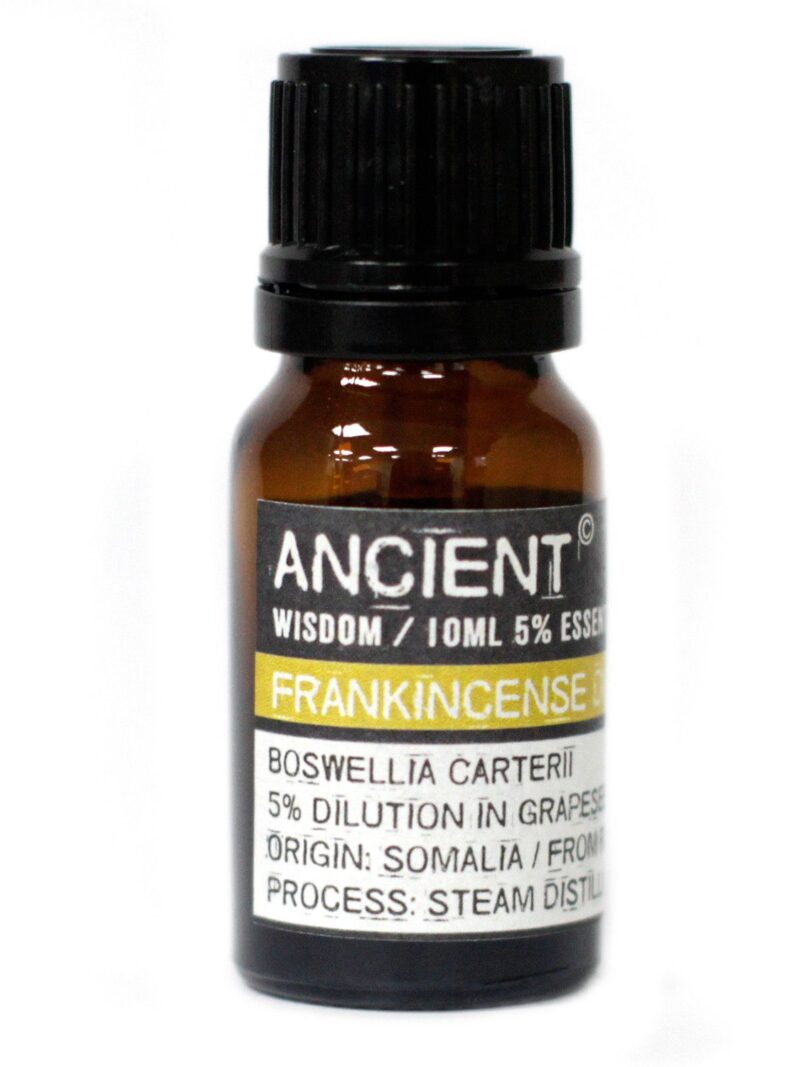
  • 10 ml Frankincense (D) Essential Oil

    10 ml Frankincense (D) Essential Oil

    £2.50

    Latin Name : Boswellia Carterii.
    Part Of Plant Used : Resin.
    Source : Somalia.
    Extraction Method : Steam Distillation.

    5% Dilution in Grapeseed Oil

    This Frankincense Essential Oil is steam distilled from the resin of the Boswellia carterii tree, of the Burseraceae family, and is also known as Olibanum. The word is derived from the French franc meaning luxuriant, and was, along with myrrh, the first gum to be used as incense. The tree is indigenous to the Middle East, and is said to exist in natural bonsai formation in that parched land. Frankincense is said to symbolize divinity.

    This oil is the most popular in aromatherapy for its calming properties. It is said to help heal wounds and prevent scars. It is used to tone the face, remove wrinkles, and avoid stretch marks in cosmetic products. Frankincense essential oil has been used to ease anxiety, stress, asthma, bronchitis, laryngitis, and bad coughs. It is a general tonic to the uterus, has a calming effect during labour, and helps ease heavy menstruation. It is most useful during meditation. Avoid during pregnancy.

    Ancient Egyptians burned frankincense as holy incense and used it as a face mask. They ground the burnt resin into a powder called kohl, used to highlight the eyes. Kohl-lined eyes are commonly seen in Egyptian art. The earliest record of frankincense use was found in a tomb inscription of the 15th century BC Egyptian queen Hatshepsut. It was used to fumigate the sick, to banish evil spirits.

    IFRA: IFRA
    SDS: SDS
    Allergen Declarations: Allergen Declarations
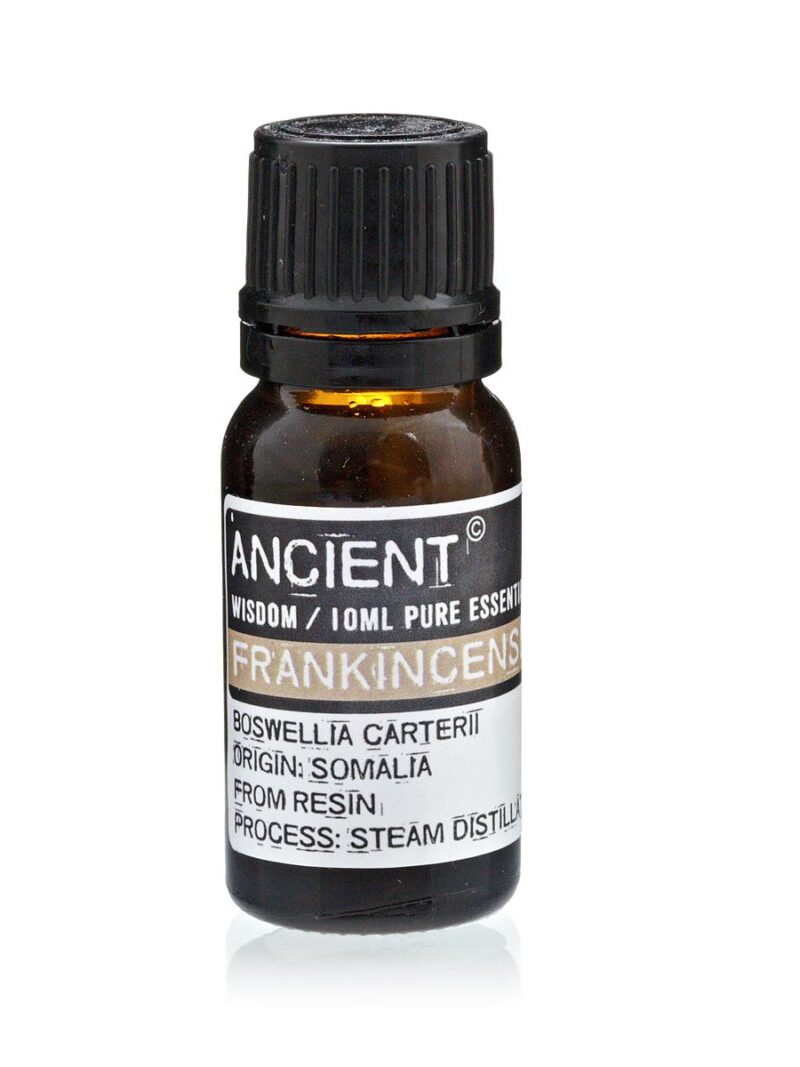
  • 10 ml Frankincense (Pure) Essential Oil

    10 ml Frankincense (Pure) Essential Oil

    £11.25

    Latin Name : Boswellia Carterii.
    Part Of Plant Used : Resin.
    Source : Oman.
    Extraction Method : Steam Distillation.

    This Pure Frankincense Essential Oil is steam distilled from the resin of the Boswellia carterii tree, of the Burseraceae family, and is also known as Olibanum. The word is derived from the French franc meaning luxuriant, and was, along with myrrh, the first gum to be used as
      incense. The tree is indigenous to the Middle East, and is said to exist in natural bonsai formation in that parched land. Frankincense is said to symbolize divinity.

    This oil is the most popular in aromatherapy for its calming properties. It is said to help heal wounds and prevent scars. It is used to tone the face, remove wrinkles, and avoid stretch marks in cosmetic products. Frankincense essential oil has been used to ease anxiety, stress, asthma, bronchitis, laryngitis, and bad coughs. It is a general tonic to the uterus, has a calming effect during labour, and helps ease heavy menstruation. It is most useful during meditation. Avoid during pregnancy.

    Ancient Egyptians burned frankincense as holy incense and used it as a face mask. They ground the burnt resin into a powder called kohl, used to highlight the eyes. Kohl-lined eyes are commonly seen in Egyptian art. The earliest record of frankincense use was found in a tomb inscription of the 15th century BC Egyptian queen Hatshepsut. It was used to fumigate the sick, to banish evil spirits.

    IFRA: IFRA
    SDS: SDS
    Allergen Declarations: Allergen Declarations
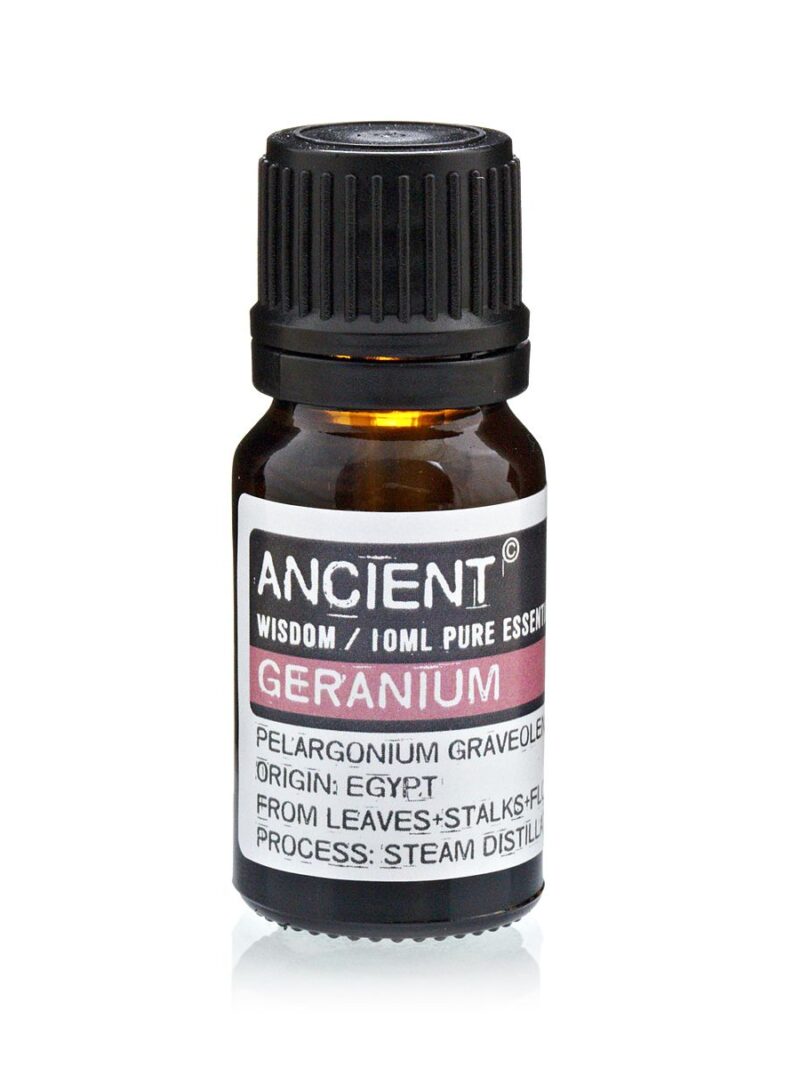
  • 10 ml Geranium Essential Oil

    10 ml Geranium Essential Oil

    £6.25

    Latin Name : Pelargonium Graveolens.
    Part Of Plant Used : Leaves, Stalks & Flowers.
    Source : Egypt.
    Extraction Method : Steam Distillation.

    Geranium Essential Oil is steam distilled from the leaves and stalks of the plant Pelargonium odoratissimum (apple geranium). It has a strong smell with a floral aroma, and hints of mint and apple. The main feature of this oil is its ability to balance and uplift, and it is used to do both on the mind and body, to ease a host of ailments. 

    Geranium essential oil helps balance oily and dry skin, and also   brings about balance of the mind, relieving stress and anxiety. It is said to work on the adrenal cortex, which has a balancing effect on the hormone system. Geranium oil has
    been used to treat acne, bruises, burns, cuts, dermatitis, eczema, haemorrhoids, ringworm, ulcers, breast engorgement, oedema, poor circulation, sore throat, tonsillitis, PMS, menopausal problems, stress, and neuralgia. Its strong smell
    chases away mosquitoes. Add a few drops to shampoo to get rid of head lice.

    These geraniums were believed to keep away spirits (like they did mosquitoes!) and so they were planted around houses as hedges. The plants originated from South Africa, Reunion, Madagascar, Egypt, and Morocco and were introduced to European countries in the 17th century. Although there are about 700 varieties of the plant, only 10 supply essential oil in viable quantities. The varieties planted in gardens usually produce too little oil to use for extraction.

    IFRA: IFRA
    SDS: SDS
    Allergen Declarations: Allergen Declarations
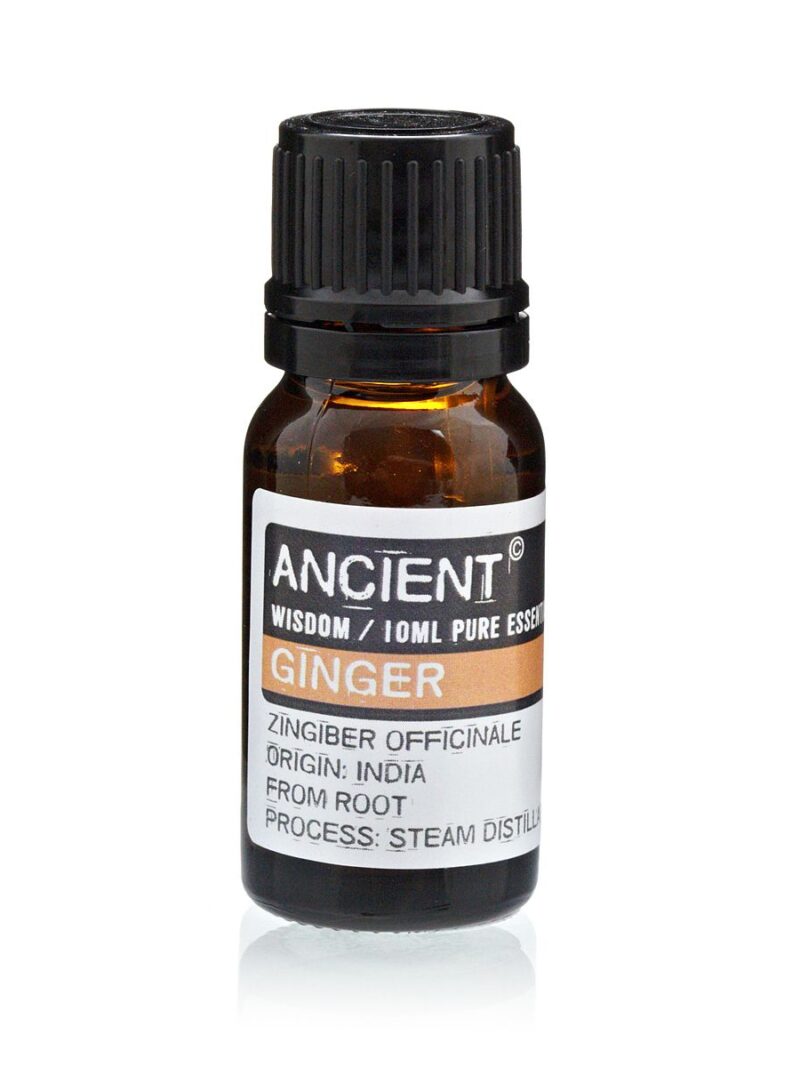
  • 10 ml Ginger Essential Oil

    10 ml Ginger Essential Oil

    £3.95

    Latin Name : Zingiber Officinale.
    Part Of Plant Used : Root.
    Source : India.
    Extraction Method : Steam Distillation.

    Ginger Essential Oil is extracted from the Zingiberaceae officinale plant, also known as Common or Jamaica Ginger. The name ginger is derived from the place called Gingi in the state of Tamil Nadu, India, and the Tamil word for ginger, inji-ver. The oil is extracted by steam distillation from the unpeeled or dried, ground-up root of the plant. It is a warming oil and is particularly good for digestion and fighting nausea and vomiting.

    Ginger oil has many therapeutic properties. It is used in the treatment of fractures, soothing the pain of rheumatism, arthritis, and carbuncles. It helps with hangovers, motion sickness, colds, flu, coughs, sinusitis, sore throat, skin sores, diarrhoea, colic, cramps, chills and fever. Used in a vaporiser, this oil fights loneliness and depression, and its energizing properties make it a good aphrodisiac. Put a drop of oil on a handkerchief and inhale to control nausea, motion sickness, and colds.

    Ginger has its origins in India, China, and Java, but is also native to Africa and West Indies. Sanskrit and Chinese texts mention the use of ginger as medicine. It is also mentioned in ancient Greek, Roman, and Arabian literature. Dried ginger is used for stomach aches, diarrhoea, throat problems, and nausea. The Chinese also use it to boost the heart and to reduce mucus and phlegm.

    IFRA: IFRA
    SDS: SDS
    Allergen Declarations: Allergen Declarations
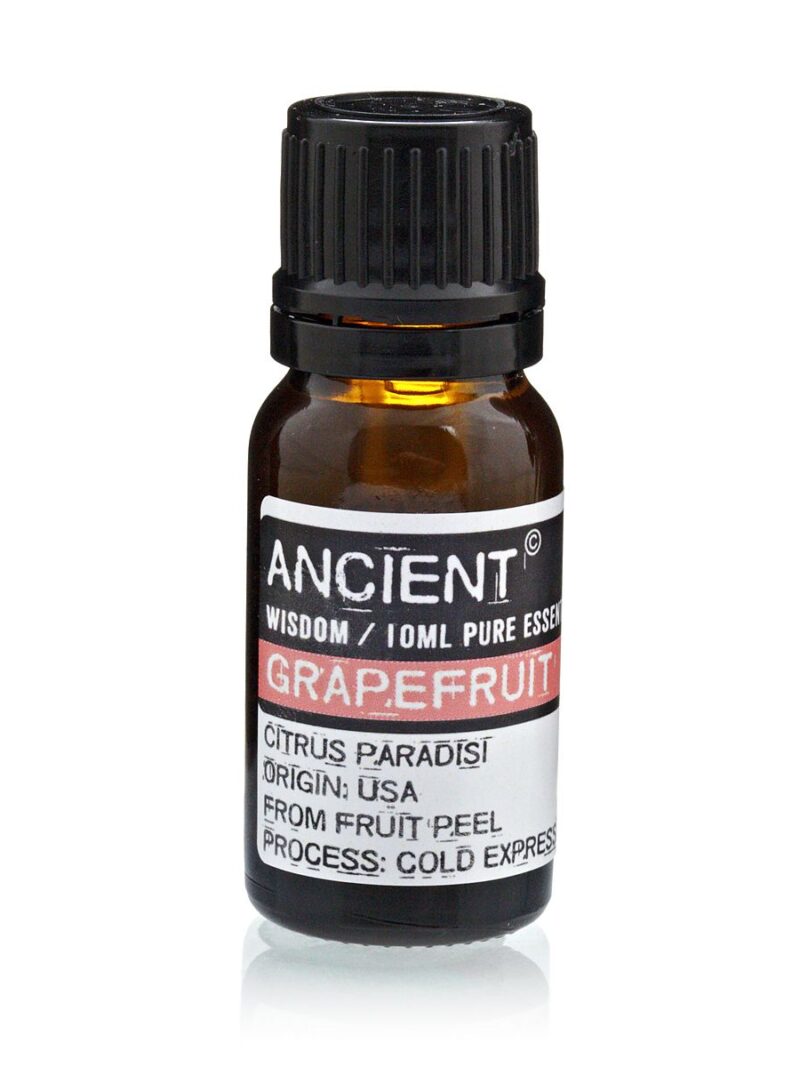
  • 10 ml Grapefruit Essential Oil

    10 ml Grapefruit Essential Oil

    £3.75

    Latin Name : Citrus Paradisi
    Part Of Plant Used : Fruit Peel
    Source : USA
    Extraction Method : Cold Press

    This Grapefruit Essential Oil has distinct properties that may offer a variety of health benefits — including reduced blood pressure and stress levels. Sourced from the peel of the Citrus paradisi fruit, proponents suggest that breathing in the oil's tangy scent can help lift your mood and offer a variety of benefits.

    Inhaling the aroma of grapefruit essential oil (or absorbing grapefruit essential oil through the skin) is thought to transmit messages to a brain region involved in controlling emotions. Known as the limbic system, this brain region also influences the nervous system. Aromatherapy proponents suggest that essential oils may affect a number of biological factors, including heart rate, stress levels, blood pressure, breathing, and immune function.

    Grapefruit essential oil is also used to reduce stress, stimulate circulation, increase energy, enhance mood, and improve digestion.

    IFRA: IFRA
    SDS: SDS
    Allergen Declarations: Allergen Declarations
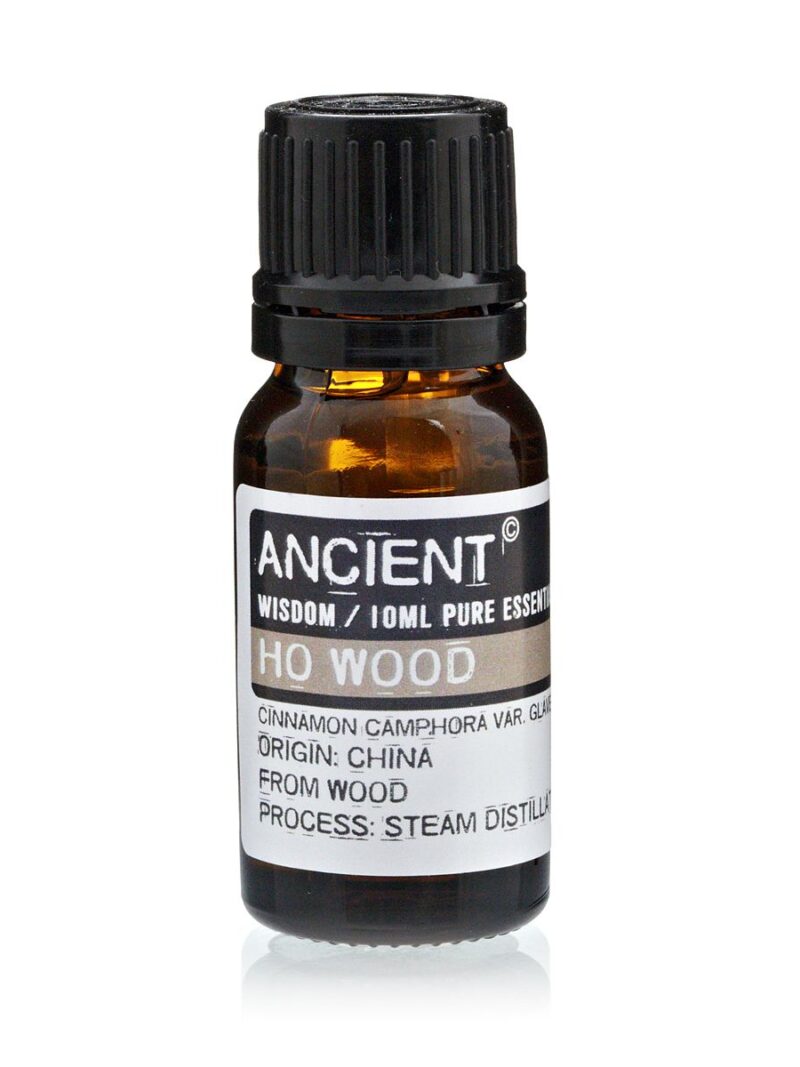
  • 10 ml Ho Wood Essential Oil

    10 ml Ho Wood Essential Oil

    £3.25

    Latin Name : Cinnamomum Camphora Var. Glavescens
    Part Of Plant Used : Wood
    Source : China
    Extraction Method : Steam Distillation

    Ho Wood is one of the most potent sources of naturally occurring linalol found in any steam distilled essential oil. Aromatically, Ho Wood Essential Oil is a beautifully fragrant wood oil.

    Emotionally, given its linalol content, Ho Wood Essential Oil is a "peaceful" oil. It is calming and is a good choice when needing to relax or unwind.

    The high amount of natural linalool in Ho Wood oil has wide aromatherapy benefits such as an aid for insomnia, antidepressant, immune stimulant, and helps generate new cell growth. This makes Ho Wood particularly interesting for anti-aging and mature skin care blends. Its aroma is especially pleasing and calming when diffused for insomnia.

    IFRA: IFRA
    SDS: SDS
    Allergen Declarations: Allergen Declarations
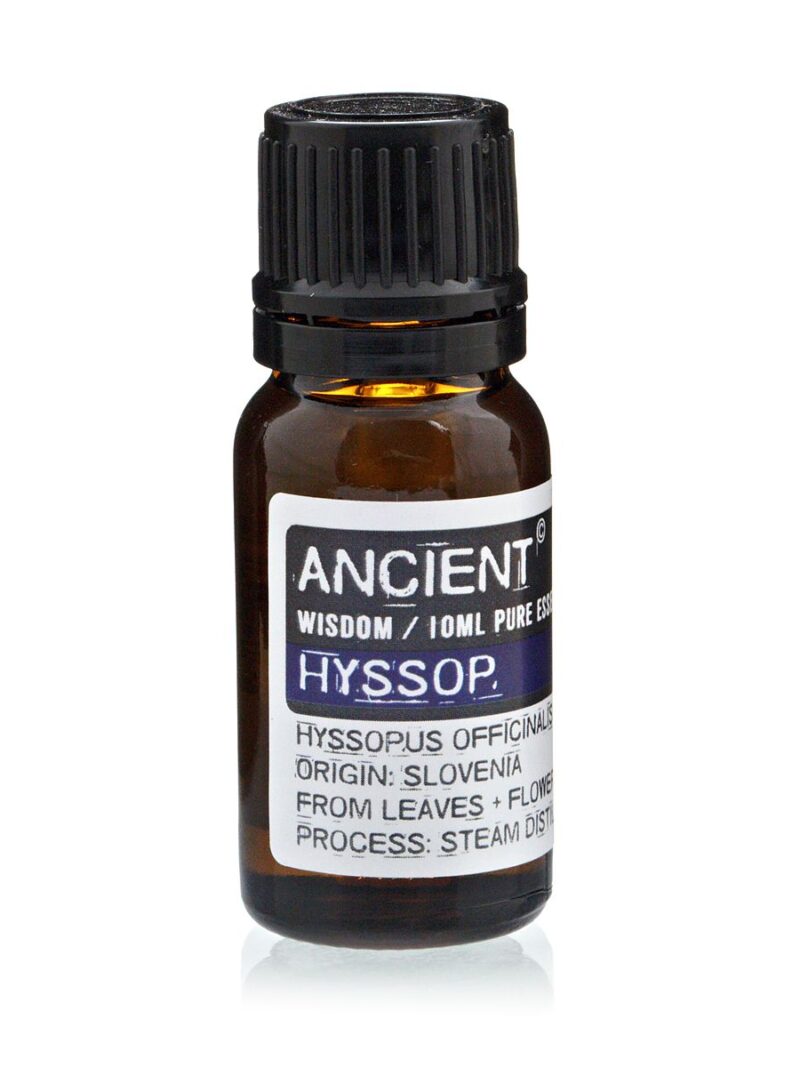
  • 10 ml Hyssop Essential Oil

    10 ml Hyssop Essential Oil

    £14.85

    Latin Name : Hyssopus Officinalis
    Part Of Plant Used : Leaves & Flowering Tops
    Source : Slovenia
    Extraction Method : Steam Distillation

    The essential oil of Hyssop is extracted with the help of steam distillation of the leaves and flowers of a shrub called Hyssop. The health benefits of this essential oil can be attributed to its properties as an astringent, stimulant, antispasmodic, antirheumatic, antiseptic, carminative, cicatrizant, digestive, diuretic, emmenagogue, expectorant, hypertensive, nervine, sudorific, tonic, febrifuge, vermifuge, and vulnerary substance.

    Being an antispasmodic, Hyssop Essential Oil gives relief in spasms of the respiratory system, thereby curing spasmodic coughs. It also cures spasms of the nervous system in order to cure convulsions and related problems, as well as reducing muscular spasms, which cures cramps, and spasms of the intestines, giving relief from acute abdominal pain.

    Since Hyssop oil improves and promotes circulation, it helps cure diseases associated with poor circulation, such as rheumatism, arthritis, gout, and swelling.

    This oil facilitates digestion. Being a stimulant, it stimulates the secretion of gastric juices like acids, enzymes, and bile into the stomach, which speeds up the decomposition of complex proteins, carbohydrates, and other nutrients.

    IFRA: IFRA
    SDS: SDS
    Allergen Declarations: Allergen Declarations
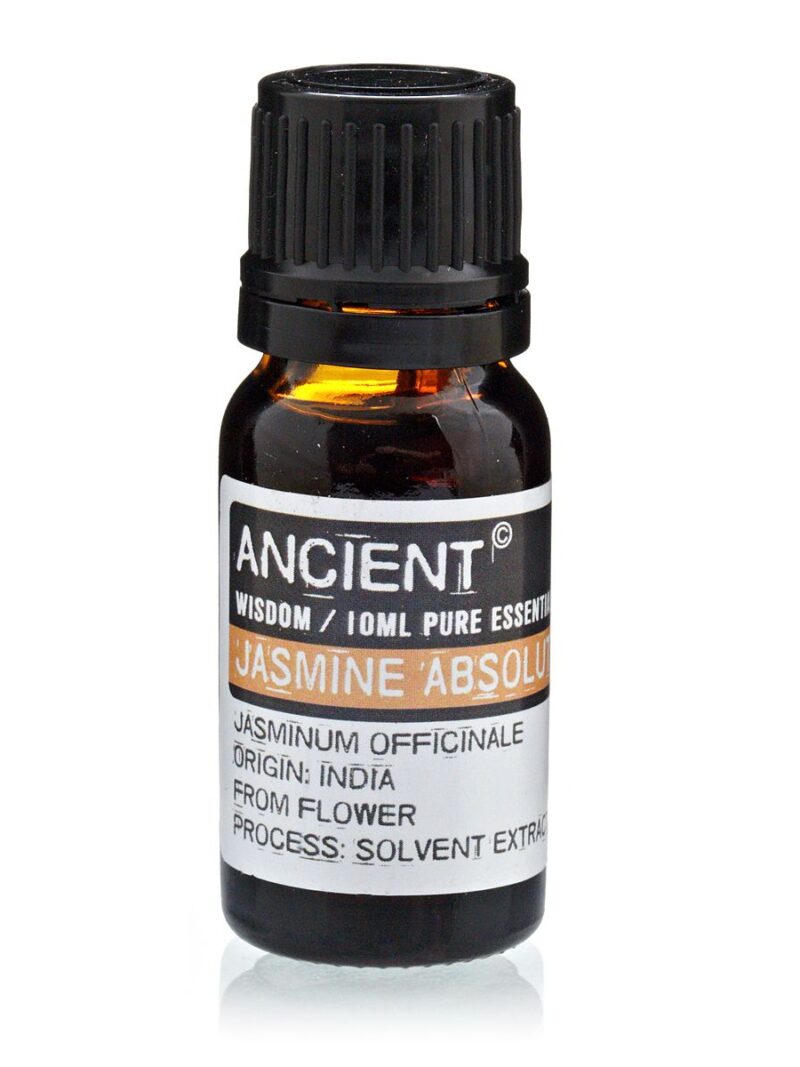
  • 10 ml Jasmine Absolute Essential Oil

    10 ml Jasmine Absolute Essential Oil

    £107.40

    Latin Name : Jasminum Officinale.
    Of Flower Used : Flower
    Source : India.
    Extraction Method : Steam Distillation.

    Jasmine is a delicate, evergreen climber native to China and India with small, white, star-shaped flowers, which are picked at night, when their fragrance is the most powerful. This Wholesale Jasmine Essential Oil has a sweet, exotic and richly floral smell. It is expensive, as its distillation is more elaborate than for most oils, and is used to deeply relax, lift depression and increase confidence. 

    This oil is said to soothe the nerves and produce a feeling of confidence and optimism, while also restoring energy. It reduces childbirth time by strengthening contractions and easing pain. It is believed to relieve impotence, frigidity, and premature ejaculation due to its soothing and calming properties. It helps cough and   laryngitis and is also useful in a massage oil to ease muscle pain, sprains, and stiff limbs. Jasmine oil tones dry, oily, or sensitive skin, increases elasticity and is said to reduce stretch marks and scarring.

    The jasmine has been considered a holy flower in India for   hundreds of years and is strung together to make garlands for Hindu gods and Goddesses till today. Jasmine is commonly worn in the hair by Indian women and the one of the main flowers in wedding garlands as well. According to a myth, the sun god, Surya, rejected a princess's love and she was so heartbroken that she killed herself. From her ashes scattered on the ground, a   jasmine plant grew. Since the sun god caused her so much pain, the jasmine flower only bloomed and released its perfume at night.

    IFRA: IFRA
    SDS: SDS
    Allergen Declarations: Allergen Declarations
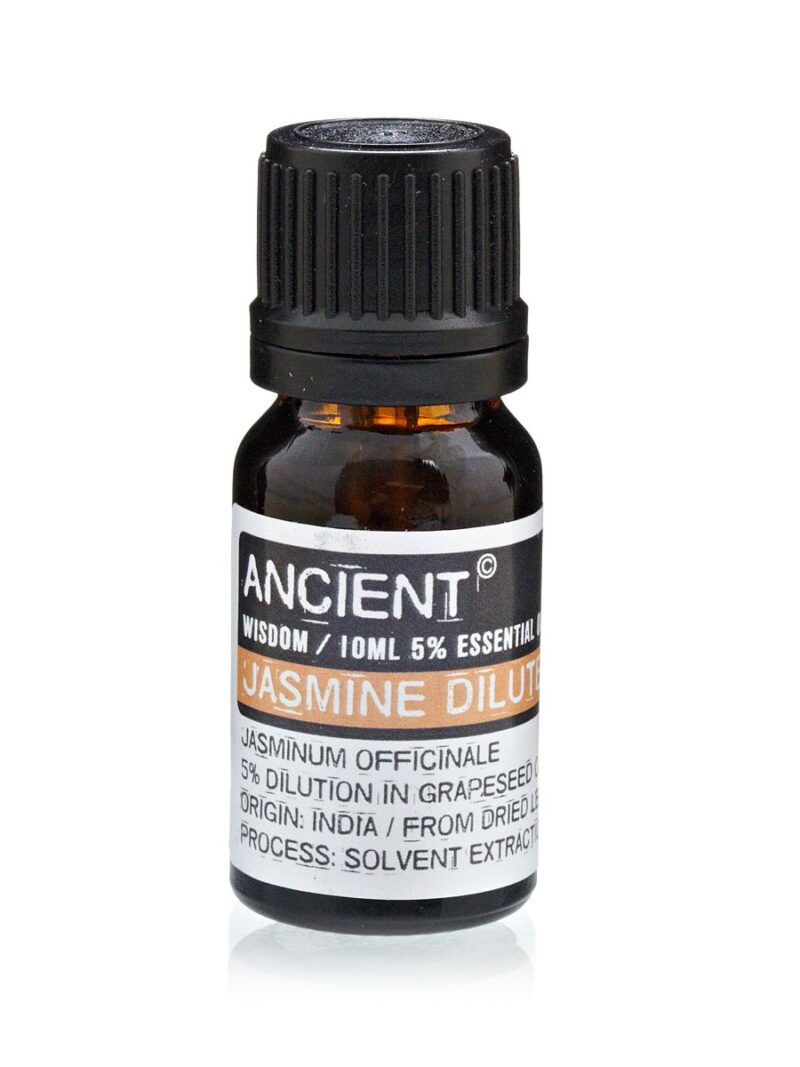
  • 10 ml Jasmine Dilute Essential Oil

    10 ml Jasmine Dilute Essential Oil

    £8.25

    Latin Name : Jasminum Officinale
    Part of Plant Used : Dried Leaves
    Source : India
    Extraction Method : Steam Distillation

    5% Dilution in Grapeseed Oil

    It may be the aphrodisiac properties that placed jasmine oil in such high demand throughout history. Jasmine essential oil was used in healing and religious ceremonies because of this compelling quality. In China, jasmine oil was used in sick rooms to make the air fragrant, but it was also thought to clear the air of pollutants even before the discovery of bacteria. Ancient Egyptians used jasmine oil for headaches, nervous disorders, and to promote restful sleep.

    Today, the essence is produced through a process called solvent extraction. At first glance, jasmine is all about scent. Its complex, floral energy is a mood-lifter for most people and often provides aphrodisiac qualities. Studies have shown that just smelling jasmine can increase alertness, hand-eye coordination, boost self-confidence, and happiness, and reduce stress.

    In a therapeutic sense, jasmine can treat dry, aging skin. It is used in low concentrations to treat eczema and dermatitis. Additionally, jasmine is useful in fading scars and treating stretch marks after delivery. Jasmine can relieve anger, anxiety, and stress without acting as a sedative. Jasmine opens one up to options available through clearer thinking. This calming and balancing power can also reduce inflammation from emotional stress.

    Jasmine has a long history of enhancing libido, releasing inhibitions, and inspiring sexual desire. Jasmine has properties which regulate period cycles, can reduce period pain, lethargy, and mood swings. It can also delay the onset of menopause.

    IFRA: IFRA
    SDS: SDS
    Allergen Declarations: Allergen Declarations
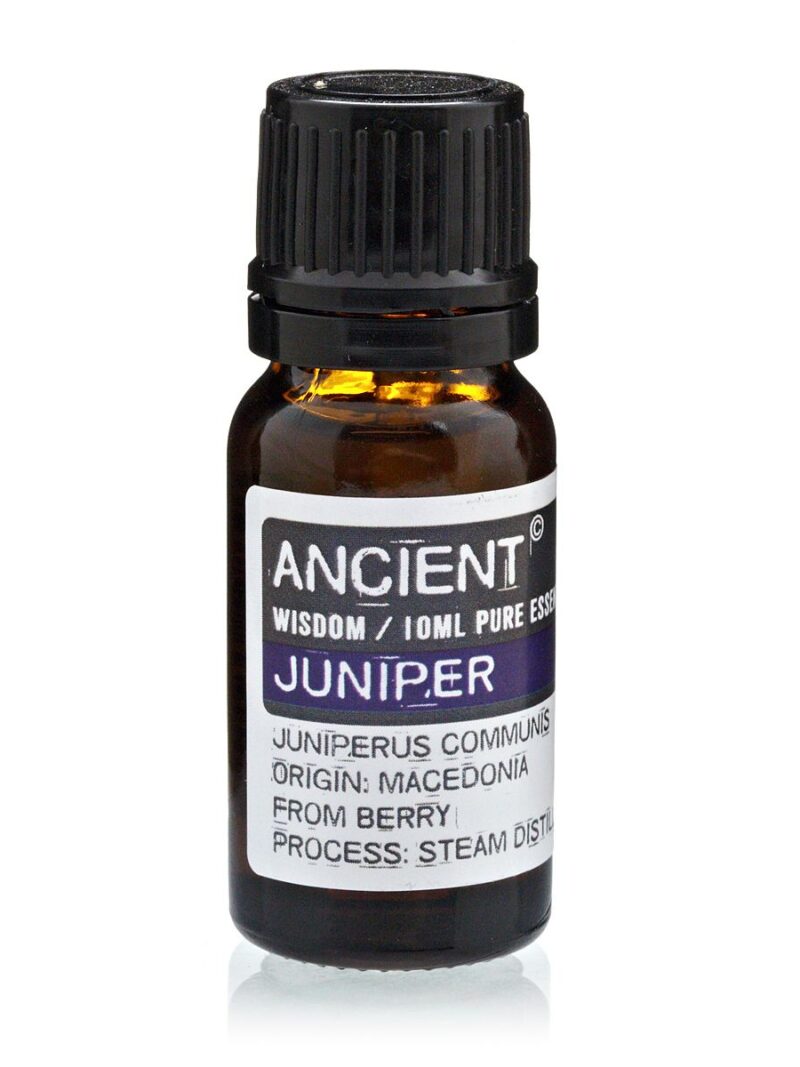
  • 10 ml Juniperberry Essential Oil

    10 ml Juniperberry Essential Oil

    £4.95

    Latin Name : Juniperus Communis
    Part Of Plant Used : Berry
    Source : Macedonia
    Extraction Method : Steam Distillation

    Extracted from the berries of a coniferous tree, Juniper Berry Essential Oil is recognized for its versatile uses and benefits. The scent of Juniper Berry oil is woody, spicy, and clean. When used for its aroma, Juniper Berry essential oil has a calming and grounding effect and can also be diffused to help cleanse and purify the air. 

    Juniper berries are a natural antiseptic, as is the essential oil. A room mist/air freshener made with Juniper Berry Essential Oil may help to kill airborne germs.

    IFRA: IFRA
    SDS: SDS
    Allergen Declarations: Allergen Declarations
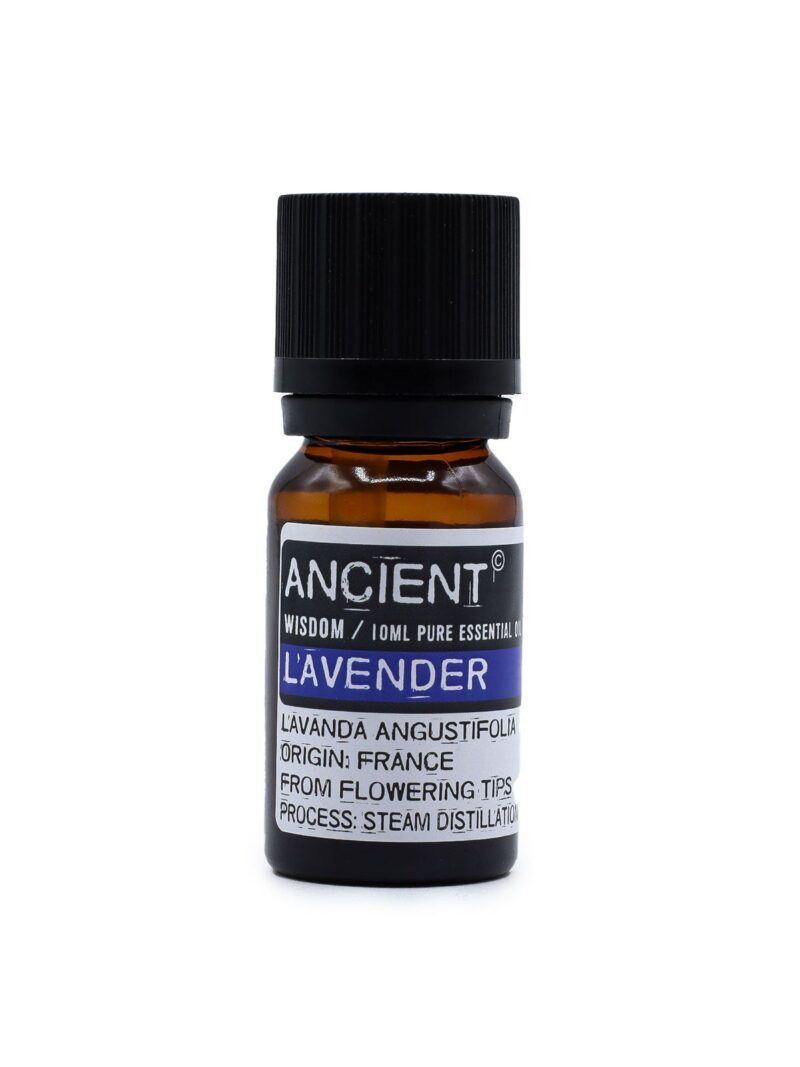
  • 10 ml Lavender Essential Oil

    10 ml Lavender Essential Oil

    £2.80

    Latin Name : Lavandula Angustifolia
    Part of Plant Used : Flowering Tips
    Origin: France
    Extraction Method : Steam Distillation

    Lavender has been used and cherished for centuries for its unmistakable aroma and myriad benefits. In ancient times, the Egyptians and Romans used Lavender for bathing, relaxation, cooking, and as a perfume. Its calming and relaxing qualities, when taken internally, continue to be Lavender’s most notable attributes.

    IFRA: IFRA
    SDS: SDS
    Allergen Declarations: Allergen Declarations
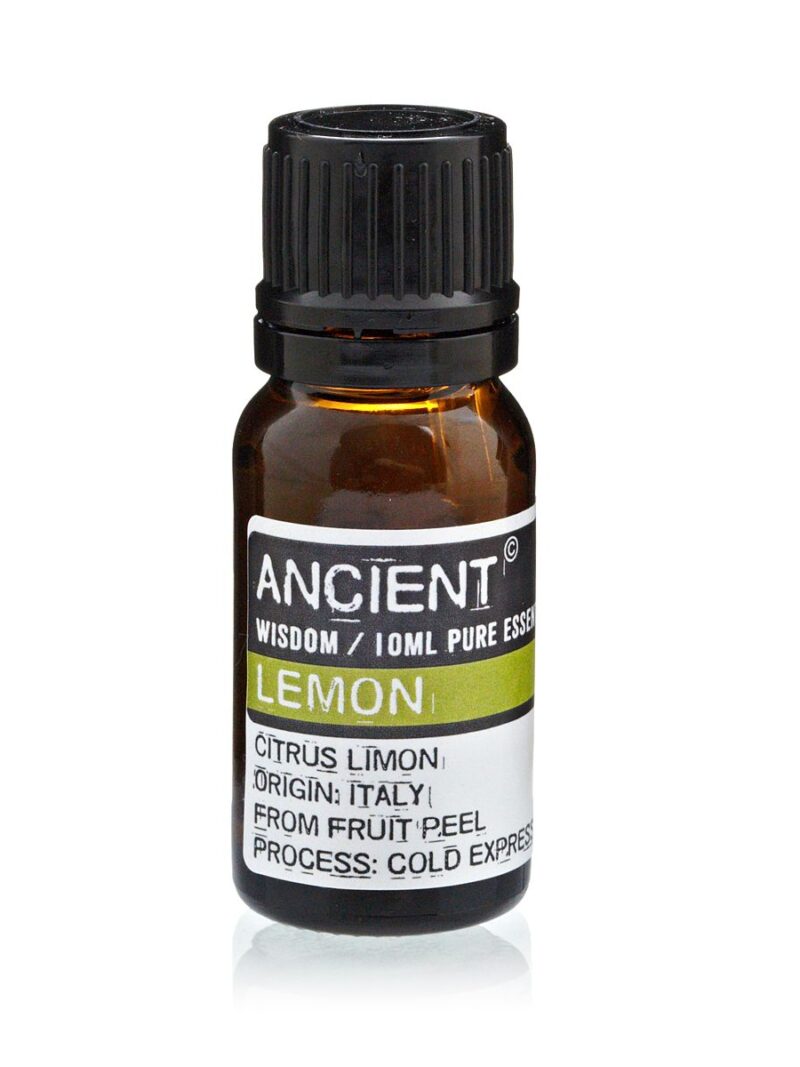
  • 10 ml Lemon Essential Oil

    10 ml Lemon Essential Oil

    £2.30

    Latin Name : Citrus Limon.
    Part Of Plant Used : Fruit Peel
    Source : Italy.
    Extraction Method : Cold Expression.

    Lemon Essential Oil has a sharp, fresh smell and is extracted from the fresh lemon fruit peel by cold expression. This oil is refreshing to the mind, and sharpens concentration, so it is often preferred in room fresheners for offices and banks. It is believed to help with rheumatism, arthritis, and gout. It has been used to cure skin troubles like abscesses, boils, carbuncles, and acne. It boosts the immune system and cleanses the body.

    When used in an oil burner (a few drops in water), the vapours of lemon oil are used for colds, laryngitis, headache, and flu. Smelling the aroma is helpful for mental hiccups like depression, irritation, stress, lethargy, and fatigue. It lifts the spirits and clears the mind. When a few drops are added to the bath or when blended into a massage oil, it is said to ease digestive problems, lack of energy,
    tiredness, infections, obesity, rheumatism, depression, and stress. It is also used to help get rid of hangovers. 

    The lemon plant is native to India and maybe China, and was brought to Europe by the Crusaders in the Middle Ages. Since the fruit has a good amount of vitamins A, B and C, an ounce a day was given to sailors to prevent scurvy, eye problems, and other vitamin deficiencies. The first real lemon cultivation in Europe began in Genoa in the mid-fifteenth century. It was later introduced to   America by Christopher Columbus. Spanish conquests helped spread the lemon seeds farther. Lemon was mainly used as an ornament and as medicine. It was only much later that it began to be used in cooking.

    IFRA: IFRA
    SDS: SDS
    Allergen Declarations: Allergen Declarations