Uncategorized

Showing 49–64 of 3004 results

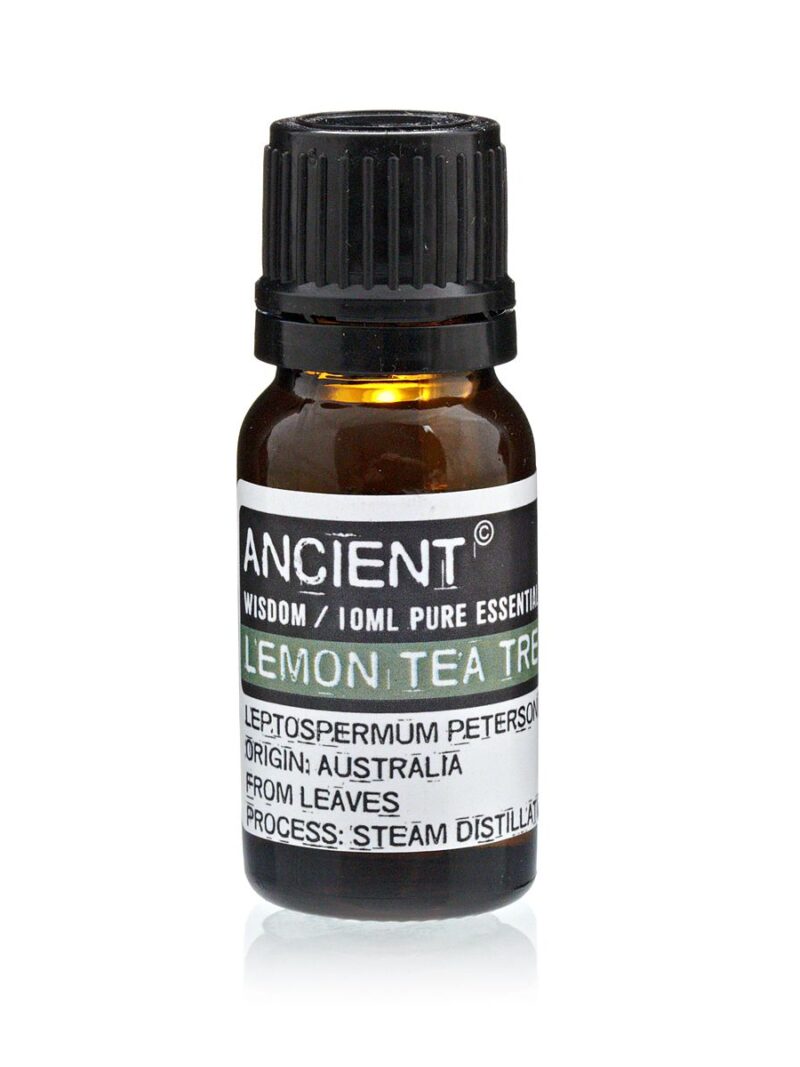
  • 10 ml Lemon Tea Tree

    10 ml Lemon Tea Tree

    £4.00

    Latin Name : Leptospermum Petersonii
    Part Of Plant Used : Leaves
    Source : Australia
    Extraction Method : Steam Distillation

    Uplifting, grounding and cleansing, therapeutically Lemon Tea Tree Essential Oil is a powerful anti-microbial, anti-septic and anti-histamine. It can be used to combat inflammatory skin conditions, aid sleep and concentration and makes an excellent room deodoriser. Lemon Tea Tree has a fresh  astringent, lemony scent that is pungent and slightly herbaceous.

    Lemon Tea Tree has a very powerful effect on the emotions, providing calming, centering, and focus to the more challenging times of the day. It can be used to combat backyard nuisances, deodorize a stale room,  and has an uplifting and calming effect. It is helpful with concentration and focus, and can aid to ease excess worry and fear, while promoting positive feelings.

    IFRA: IFRA
    SDS: SDS
    Allergen Declarations: Allergen Declarations
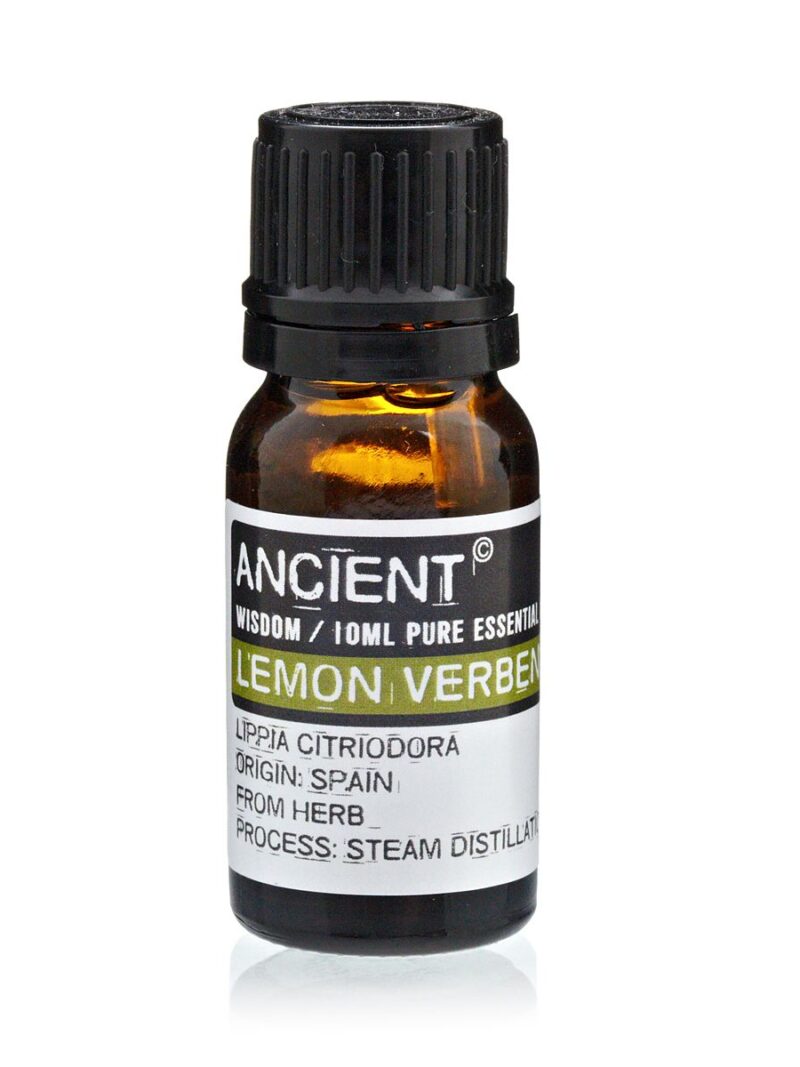
  • 10 ml Lemon Verbena Essential Oil

    10 ml Lemon Verbena Essential Oil

    £3.60

    Latin Name : Aloysia Triphylla
    Part Of Plant Used : Herb
    Source : Spain
    Extraction Method : Steam Distillation

    Emotionally and energetically, this Lemon Verbena Essential Oil can help relieve anxiety and depression. Its sedative and aphrodisiac properties make it helpful for relaxing the mind and uplifting and improving one's mood.

    Using lemon verbena essential oil is a popular herbal remedy with a stimulating scent, and has a wide range of potential health benefits when used properly.

    With its expectorant properties, verbena oil is often used to loosen phlegm, clear congestion and soothe the associated pain of a hacking cough. What’s more, the high citral content means it can often kill the bacteria found in mucus.

    The physical relief induced by verbena is well-established, but it has many mentally therapeutic benefits too. Verbena’s presence in body mists, massage oils, candles and diffusers can inspire and stimulate the mind, providing sweet relief from the lethargy and monotony of the daily grind.

    IFRA: IFRA
    SDS: SDS
    Allergen Declarations: Allergen Declarations
  • 10 ml Lemongrass Essential Oil

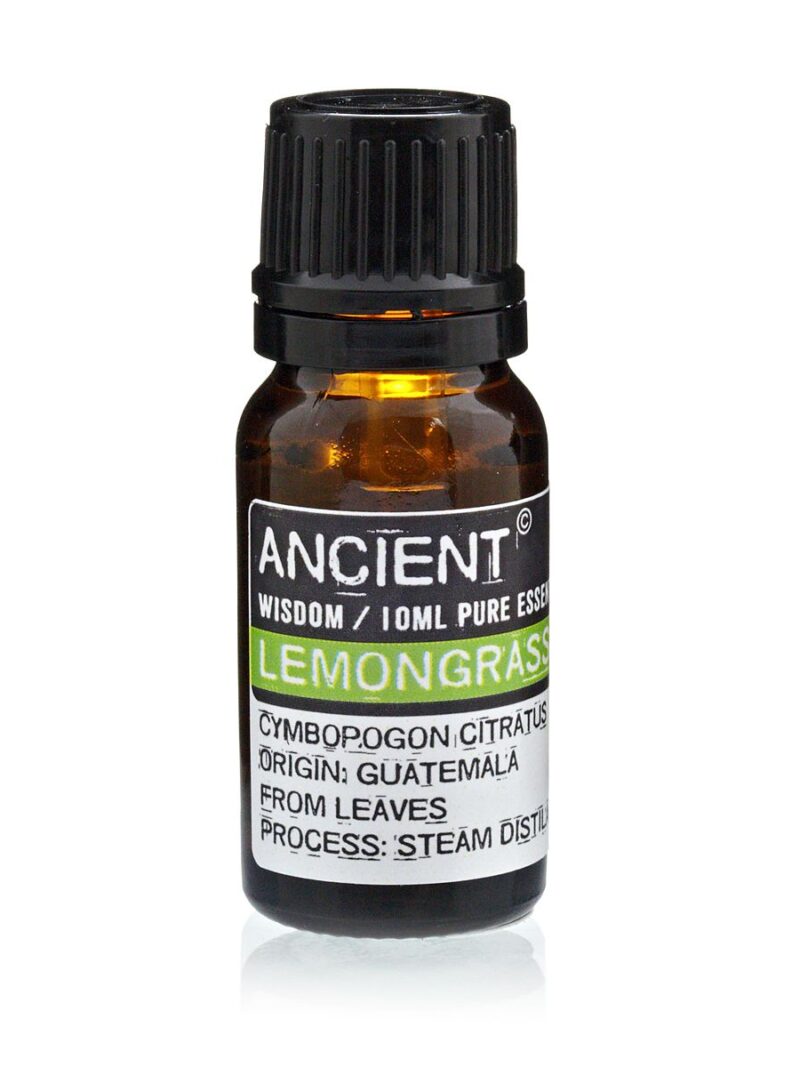
    10 ml Lemongrass Essential Oil

    £2.30

    Latin Name : Cymbopogon Citratus.
    Part Of Plant Used : Leaves.
    Source : Guatamala.
    Extraction Method : Steam Distillation.

    This Lemongrass Essential Oil is extracted from Cymbopogon citratus, also known as 'oil grass', from the fresh or partly-dried leaves by steam distillation. This oil is said to fight fatigue, and help refresh a tired body and mind. It is also a pleasant-smelling way of keeping a pet free of fleas and ticks. Lemongrass contains citral which provides the main flavour in lemon peel.

    Lemongrass oil is believed to relieve jet lag, headaches, nervous exhaustion, and stress. It boosts the parasympathetic nervous system, for faster recovery from an illness, and stimulates glandular secretions. It helps tone muscles and tissue, hence relieving muscle pain. It's useful for treating sore throat, laryngitis, and fever, and helps stop the spreading of infection. It helps with colitis, indigestion, and gastroenteritis. It clears oily skin and reduces excessive perspiration. It can irritate the skin, however, so care must be taken when used on skin. Avoid use during pregnancy.

    Lemongrass is a perennial aromatic grass that used to grow wild in India, where it is known as choomana poolu. It is also known as Indian Verbena or Indian Melissa oil and is used in Ayurveda, the ancient traditional art of healing, to help bring down fevers and treat infectious illnesses; it is therefore also called 'fevergrass'.

    IFRA: IFRA
    SDS: SDS
    Allergen Declarations: Allergen Declarations
  • 10 ml Lime Essential Oil

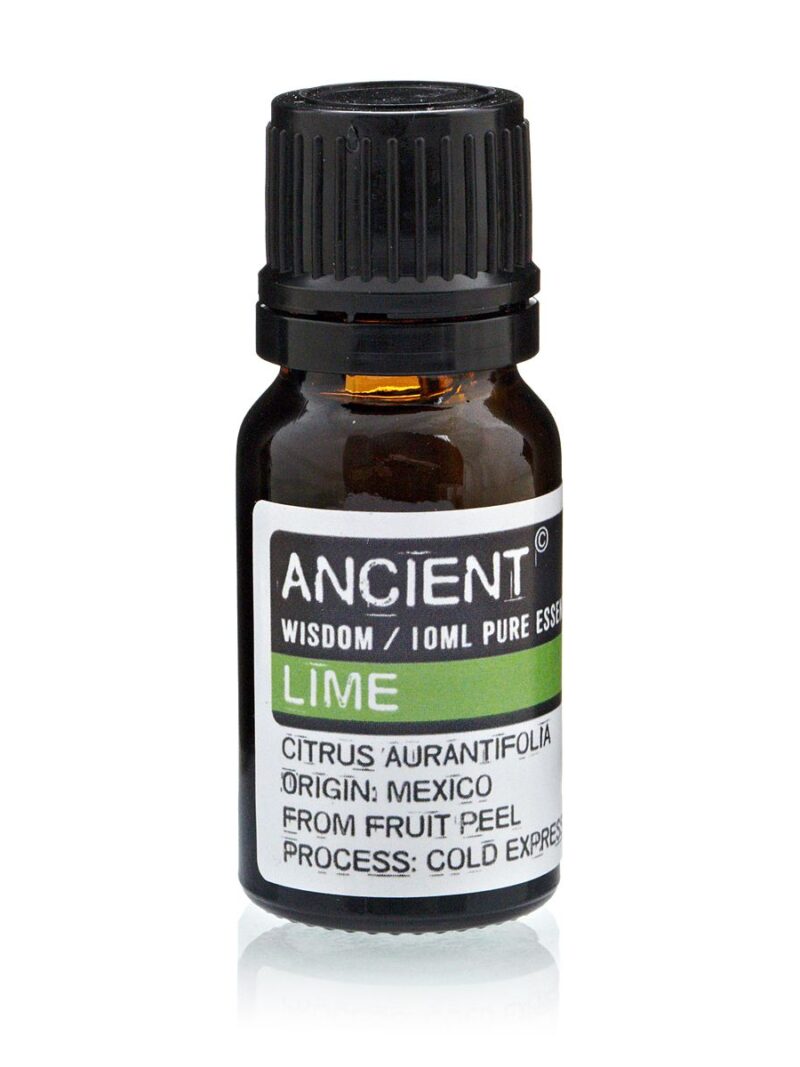
    10 ml Lime Essential Oil

    £2.90

    Latin Name : Citrus Aurantifolia.
    Part Of Plant Used : Fruit Peel.
    Source : Mexico.
    Extraction Method : Cold Expression.

    This Lime Essential Oil is obtained from Citrus aurantifolia, also known as Mexican or West Indian lime, as well as sour lime.  The oil is extracted from the peel of the unripe skin by cold expression or from the peel and/or the whole ripe   fruit by steam distillation. Lime oil has a sharp, citrus   smell that immediately perks up one's mood on smelling   it, and is pale yellow to light olive in colour.

    Lime oil, when used in an oil burner, stimulates a tired   mind and helps ease anxiety, apathy, and depression.   It is useful to reduce fevers associated with colds, sore   throats, and flu. It increases immunity while easing coughs,   bronchitis, sinusitis, and asthma. It is said to be helpful for  arthritis,
      rheumatism and poor circulation, as well as for obesity and cellulite. This oil is good for the skin; it reduces oiliness and acne, helps with herpes, insect bites and cuts. However, the oil that is obtained by cold expression (as opposed to steam distillation) can cause photosensitivity and irritate the skin.

    Limes are originally from Asia, but they are now grown in most warm countries like Italy, the West Indies, and the Americas. The lime is green when raw and ripens to yellow, and usually measures about two inches in diameter. It was introduced into Europe by the Moors and from there it migrated to the Americas. The lime is said to have a lower Vitamin C content than lemons do. People often carried limes on long ship journeys to prevent sailors getting scurvy from Vitamin C deficiency.

    IFRA: IFRA
    SDS: SDS
    Allergen Declarations: Allergen Declarations
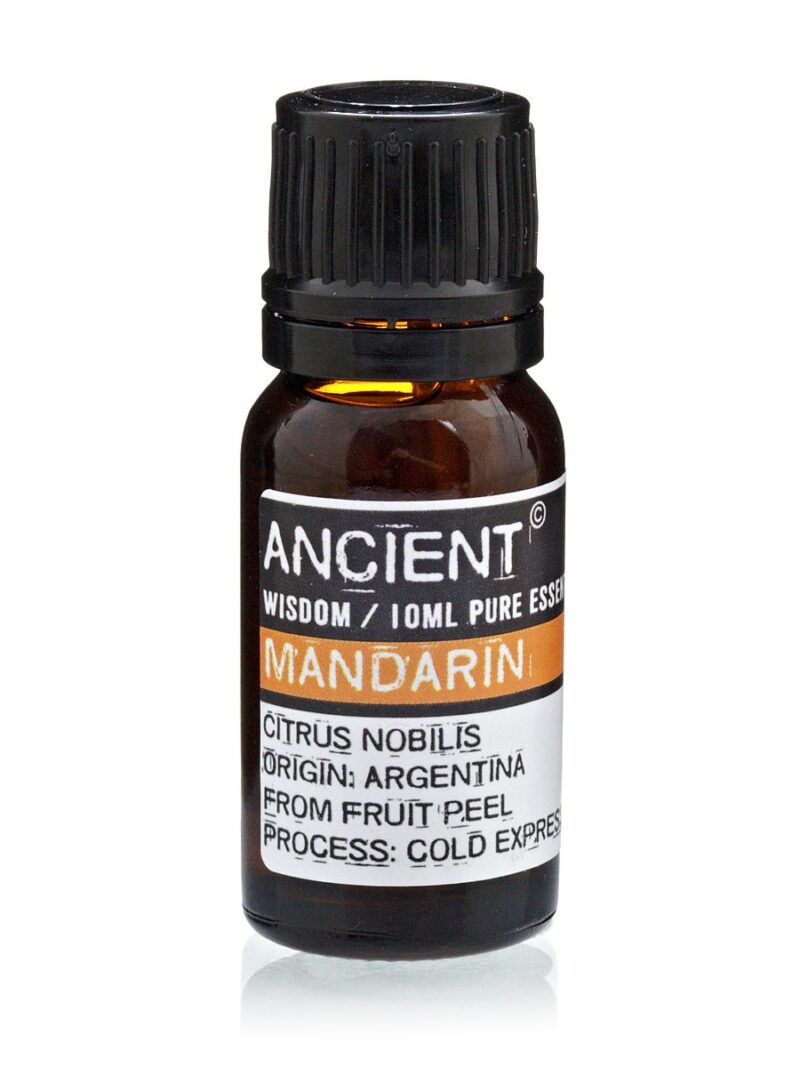
  • 10 ml Mandarin Essential Oil

    10 ml Mandarin Essential Oil

    £2.75

    Latin Name : Citrus Nobilis.
    Part Of Plant Used : Fruit Peel.
    Source : Italy.
    Extraction Method : Cold Expression.

    Mandarin Essential Oil is obtained from Citrus Reticulata, by cold compression of the peel. Mandarin Petitgrain oil is also extracted in small quantities by steam distillation of the leaves and twigs. The oil is golden yellow-orange and has the aroma of a fresh orange. An entire group of citrus fruits come under the umbrella of Mandarin oranges, including Satsuma, Clementine, Dancy, Honey, Pixie, and tangerines.

    This oil is very gentle and is hence said to be used for treating even children and pregnant women, one of the few oils to be used this way. With its tonic and stimulating effect on both the stomach and the liver it is helpful for digestive problems. Mandarin oil is also useful for treating acne, oily skin, and spots. It is supposed to help ease problems such as fluid retention and obesity as well. The oil, diluted around 1-2% in a carrier oil, is massaged gently on a child's tummy to relieve a tummy ache. A few drops in the bath calms hyperactive children. Used in an oil burner, it dispels depression and relieves anxiety.

    The Mandarin oranges are so called because they were traditionally offered as gifts to the mandarins of China. In France, the Mandarin is considered a safe remedy to treat indigestion in children, and for the elderly as it helps strengthen the digestive system and the liver. Native to Southern China and the Far East, the Mandarin orange was brought to Europe in 1805 and to America in 1845.

    IFRA: IFRA
    SDS: SDS
    Allergen Declarations: Allergen Declarations
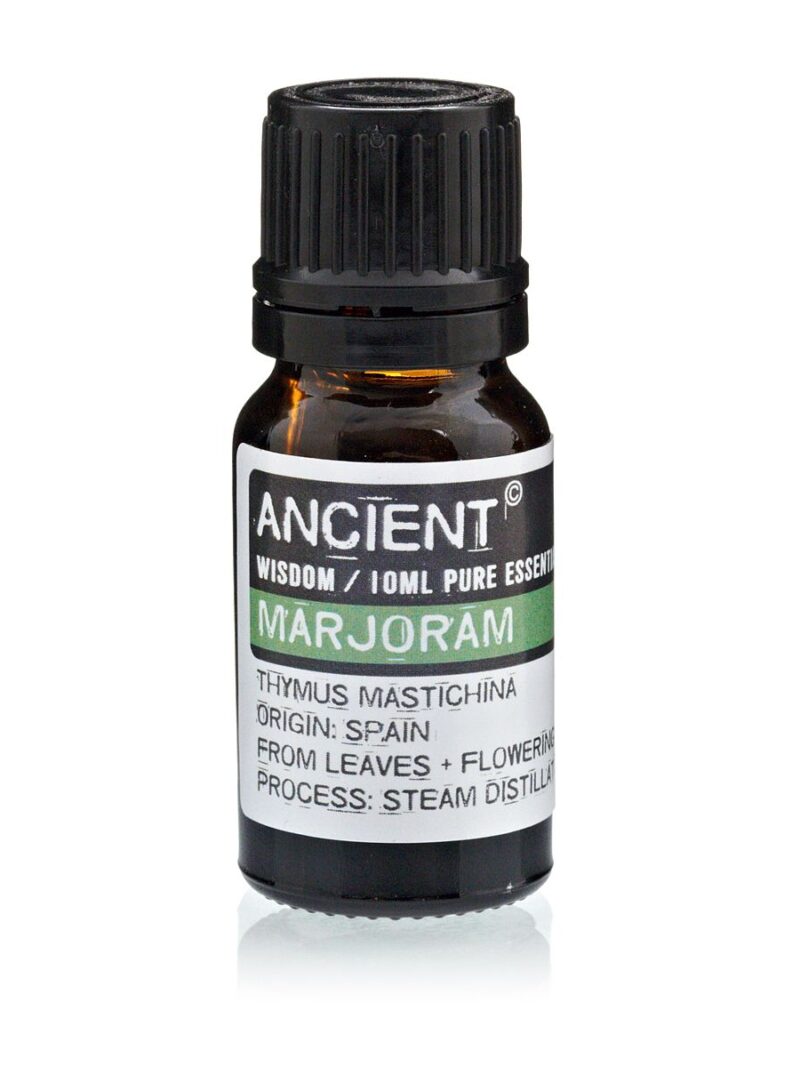
  • 10 ml Marjoram Spanish Essential Oil

    10 ml Marjoram Spanish Essential Oil

    £5.75

    Latin Name : Thymus Mastichina.
    Part Of Plant Used : Leaves & Flowering Tops.
    Source : Spain.
    Extraction Method : Steam Distillation.

    This Marjoram Essential Oil is steam distilled from the Thymus mastichina plant, which has a hairy stem, oval leaves and little whitish flowers in clusters. The entire plant exudes a strong aroma. This plant is actually wild growing thyme, but is known as Spanish Wild Marjoram. It belongs to the lamiaceae family of Spain and is not the same as sweet or French Marjoram; neither is it oregano, which is also called wild marjoram.

    This oil is said to be more effective than that of sweet marjoram when used as an expectorant for respiratory tract infections and spasms, as it has antiseptic properties for the upper respiratory tract, but is not a muscle relaxant or a sedative, as sweet marjoram is. Spanish marjoram oil is commonly used in aromatherapy and blends well with lavender and bergamot oils for creating a relaxing environment. When used in an oil burner or in a massage oil, this herb is said to calm the nerves, and fight loneliness and rejection. It also aids digestion.

    Spanish wild marjoram is known to have been used by herbalists since ancient Greece. Ancient Greeks and Romans crowned bridal couples with wreaths of marjoram to symbolize love, honour and happiness. Marjoram tea with honey was used by singers to preserve their voices.

    IFRA: IFRA
    SDS: SDS
    Allergen Declarations: Allergen Declarations
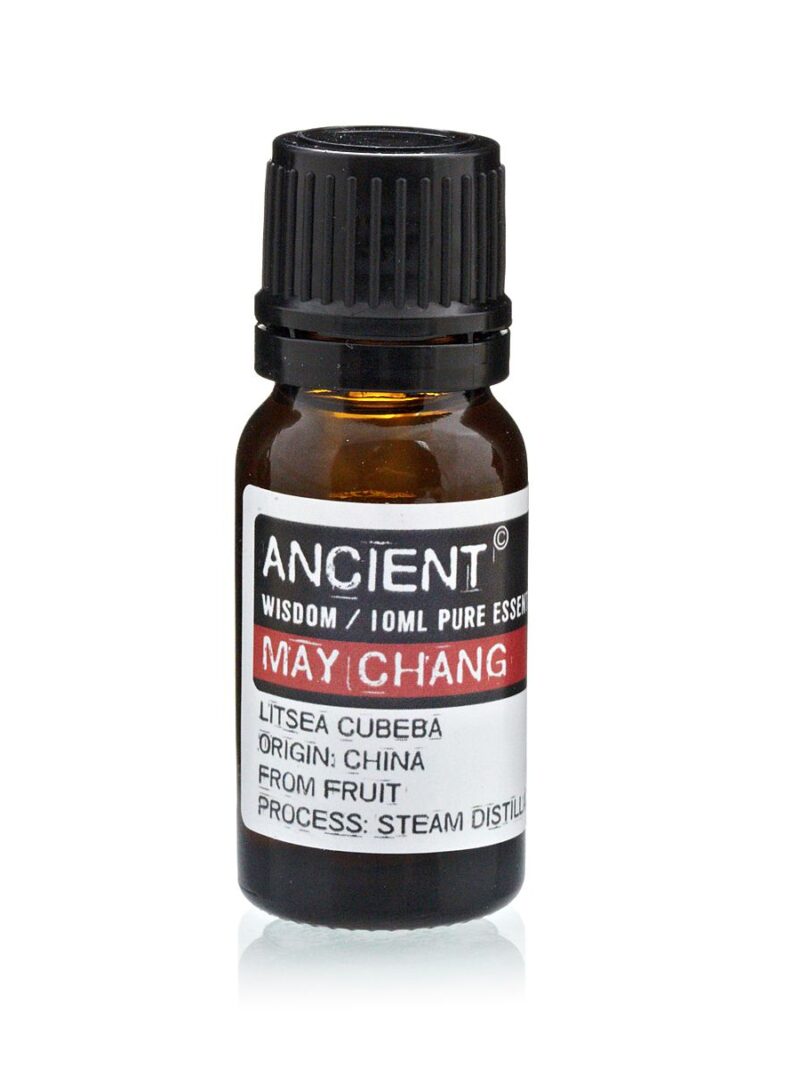
  • 10 ml May Chang Essential Oil

    10 ml May Chang Essential Oil

    £3.35

    Latin Name : Litsea Cubeba
    Part Of Plant Used : Fruit
    Source : China
    Extraction Method : Steam Distillation

    This May Chang Essential Oil is a very uplifting and stimulating oil and useful during times of fatigue, melancholy and anxiety. Used to create a cheering ambience when diffused. Traditionally used as a digestive aid May Chang can help with poor digestion and stimulate the appetite.

    May chang essential oil has refreshing, stimulating and uplifting action, which makes it perfect for relieving fatigue and lethargic psychological states. And because this oil is a tonic to the nervous system it makes it ideal for clearing your head when you are feeling anxious, stressed or befuddled.

    It has surprisingly good antiseptic, antifungal and antiviral properties too, which can be used to help keep coughs, colds and athletes foot at bay. It’s also great for cleansing jobs around the home such as sterilizing kitchen worktops. To boost its effectiveness, blend may chang with tea tree and you’ll have a powerful cleansing action without the unpleasant disinfectant-like aroma.

    IFRA: IFRA
    SDS: SDS
    Allergen Declarations: Allergen Declarations
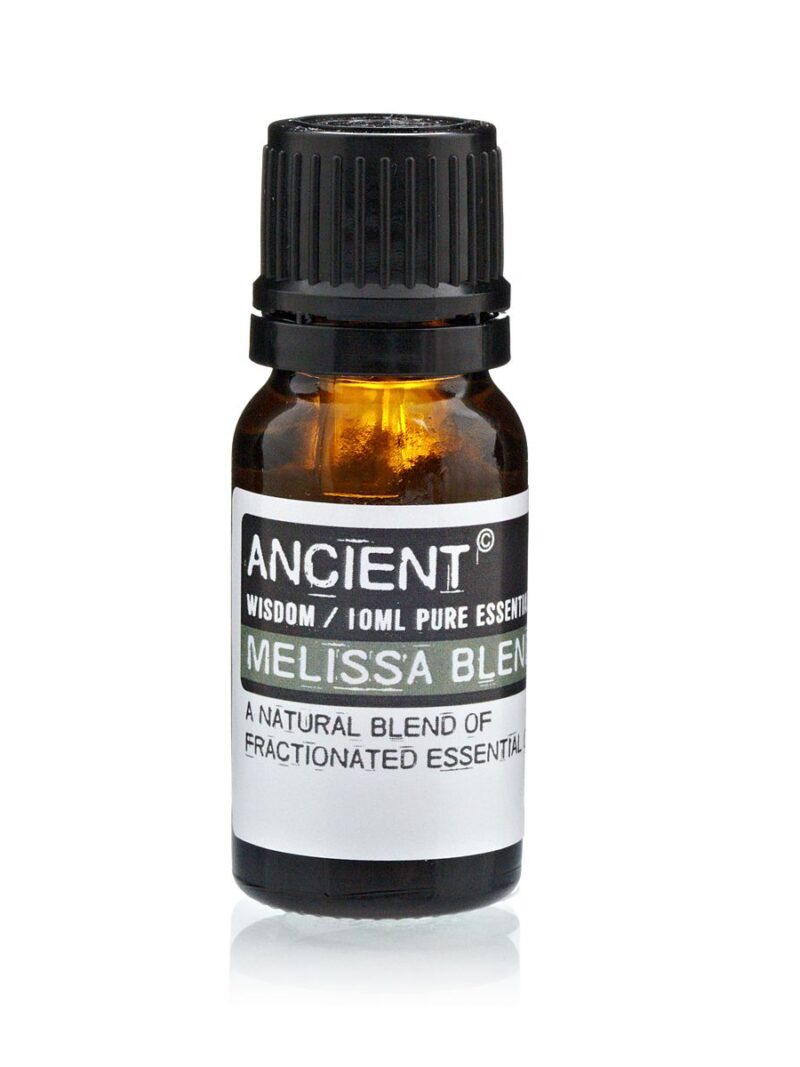
  • 10 ml Melissa (Blend) Essential Oil

    10 ml Melissa (Blend) Essential Oil

    £3.50

    Latin Name : None – Natural Blend.
    Source : Mixed.
    Extraction Method : N/A.

    Melissa blend is a special mixture of fractionated essential oils designed to have the same fragrance profile and properties as true Melissa as true Melissa is extremely expensive.

    The exact formulation of this oil is a closely guarded secret but the contents of the oil are as follows :

    Citral from Lemongrass
    Lemon Oil
    D-Limonene from Orange
    Ho Oil
    Beta Caryophylene from Clove Oil.

    This Wholesale Melissa Essential Oil is uplifting, revitalizing and harmonising. It has a soothing effect on the emotions. It is also uplifting to the spirits and is known for optimising healthy digestion and clearing the head. It has a fresh, sweet, lemony aroma.

    IFRA: IFRA
    SDS: SDS
    Allergen Declarations: Allergen Declarations
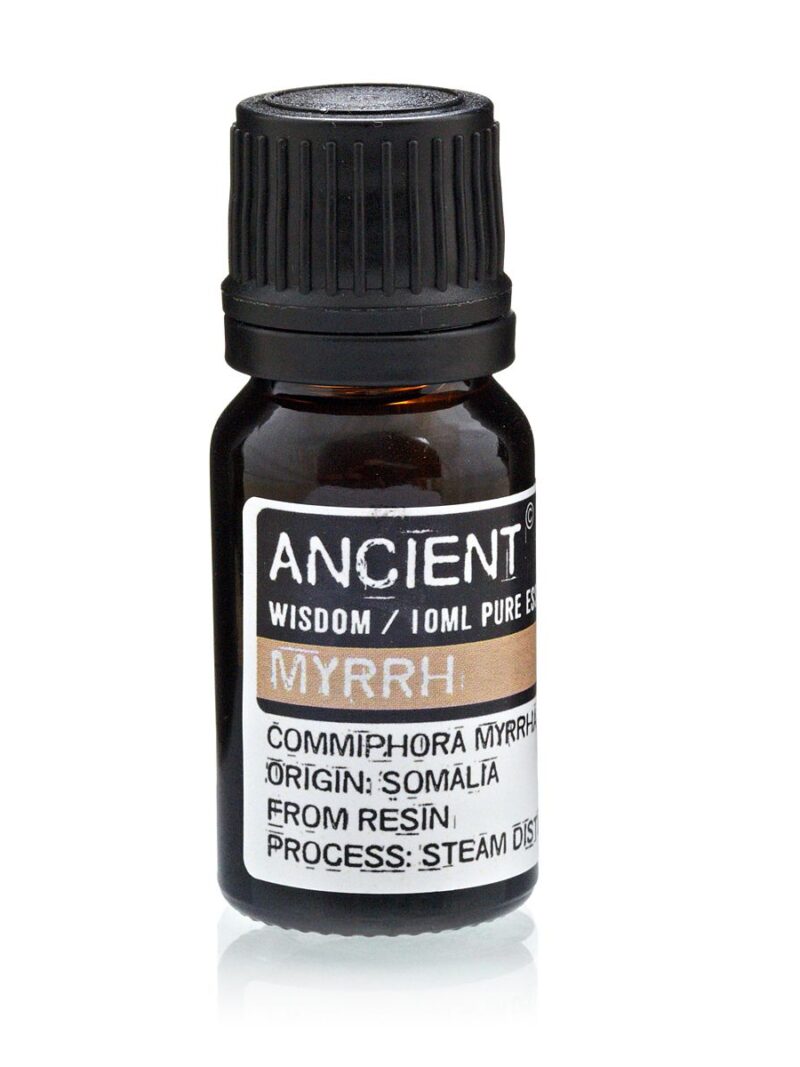
  • 10 ml Myrrh Essential Oil

    10 ml Myrrh Essential Oil

    £21.00

    Latin Name : Commiphora Myrrha
    Part Of Plaant Used : Resin
    Source : Somalia
    Extraction Method : Steam Distillation

    Myrrh has been used since ancient times as perfume and incense for medicinal and sacred purposes. Myrrh Essential Oil is a staple in aromatherapy and is believed to ease coughs and colds, soothe digestive discomfort, and boost immunity.

    When used in aromatherapy, myrrh is said to help treat or prevent the following health problems as colds, cough, insomnia or sore throat.

    In addition, myrrh essential oil is said to reduce inflammation, stimulate the immune system, alleviate pain, and promote wound healing.

    Sometimes used as an ingredient in skincare products, myrrh essential oil is also purported to reduce the appearance of wrinkles.

    IFRA: IFRA
    SDS: SDS
    Allergen Declarations: Allergen Declarations
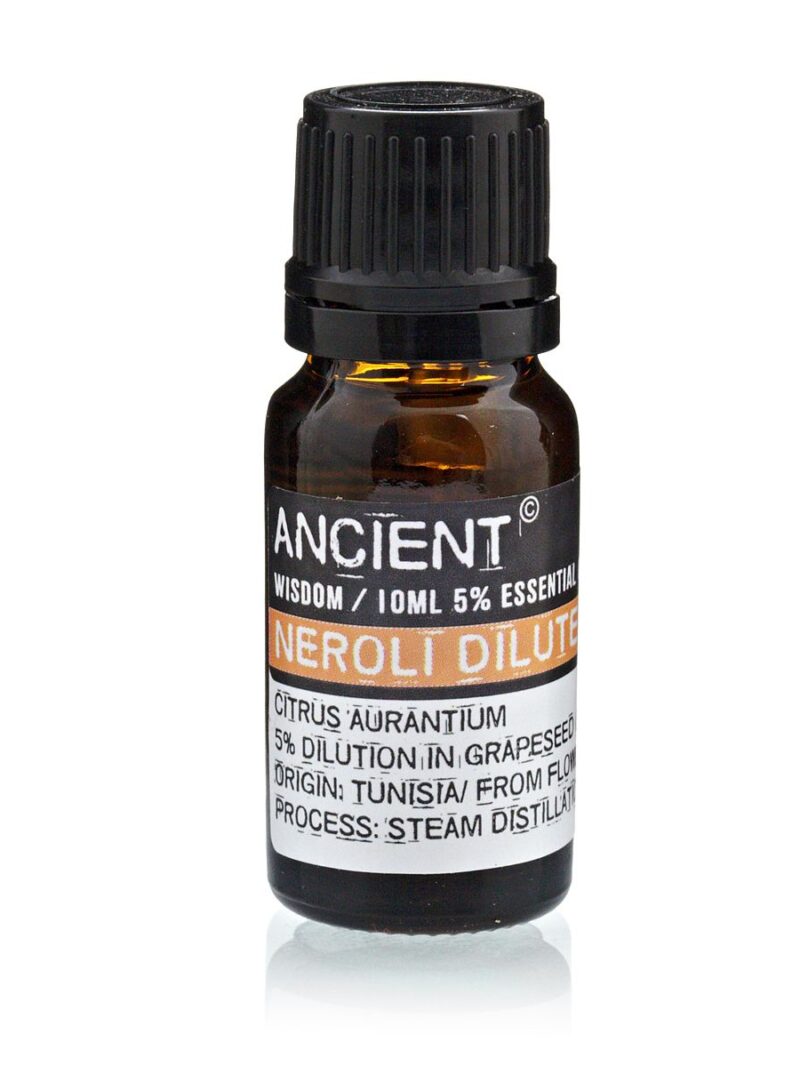
  • 10 ml Neroli Dilute Essential Oil

    10 ml Neroli Dilute Essential Oil

    £3.95

    Latin Name : Citrus Aurantium.
    Part Of Plant Used : Flowers
    Source : Tunisia.
    Extraction Method : Steam Distillation.

    5% Dilution in Grapeseed Oil

    This Neroli Essential Oil is produced from the flowers of the bitter orange tree (Citrus aurantium var. amara), also known as Neroli bigarade, and smells similar to bergamot. The blossoms are gathered by hand and the oil is produced by water distillation as the flowers are too fragile for steam distillation. This is one of the most popular essential oils for its wonderful smell as well as its therapeutic properties.

    Neroli oil is very calming and is said to relieve chronic anxiety, depression, fear, depression, shock and stress. It is believed to calm intestinal spasms, colitis and
    diarrhoea as well. Due to its sedative property, it is good for insomnia, people with heart palpitations, neuralgia and vertigo. It is good to heat some in an oil burner in a convalescent's room. On the skin, Neroli oil is said to help regenerate skin cells and useful to prevent ugly scar tissue, promote smoother skin, fight stretch marks, and broken capillaries.

    Neroli oil is believed to have been used by the Romans. In 1680, Anna Maria Orsini, princess of Nerola, used the essence of the bitter orange tree as to perfume her gloves and her bath, thereby creating a fashionable new fragrance. From this time on, the essential oil became known as Neroli after her. Folk tales say that these orange blossoms were used to decorate bridal beds to help relax newly married couples in bed. The oil is expensive to produce, and much care is taken as the blossoms must be plucked just as they bloom.

    IFRA: IFRA
    SDS: SDS
    Allergen Declarations: Allergen Declarations
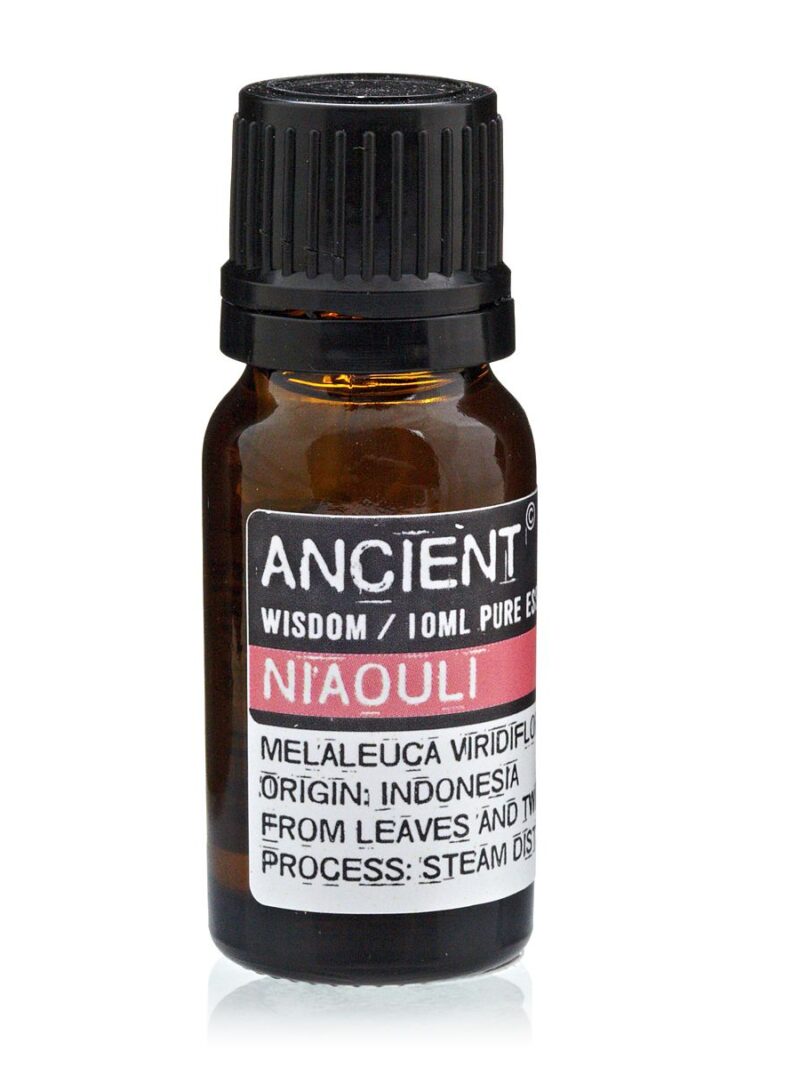
  • 10 ml Niaouli Essential Oil

    10 ml Niaouli Essential Oil

    £3.50

    Latin Name : Melaleueca Viridiflora
    Part Of Plant Used : Leaves & Twigs
    Source : Indonesia
    Extraction Method : Steam Distillation

    Niaouli Essential Oil isn't the greatest smelling essential oil. What it lacks in aromatic appeal, however, it makes up for in its therapeutic benefits. It's an excellent choice for use with respiratory concerns, skin infections and acne.

    Aromatically, Niaouli Essential Oil is generally not considered a pleasant essential oil. The aroma is camphorous, earthy and a bit harsh. It's never a good idea to form an opinion of the aroma of an essential oil by simply smelling it straight from the bottle. 

    The pain-relieving property of this oil makes it a very good analgesic. It eliminates pain by inducing numbness in the nerves and by desensitizing the area. It is very effective in relieving the pain of headaches, migraines, toothaches, earaches, and muscle and joint pain, as well as pain due to sprains.

    This oil stimulates the circulation of the blood and lymph, thereby preventing the accumulation of uric acid in the joints and bringing warmth to various parts of the body. These two factors together help give relief from rheumatism, arthritis, and gout.

    Open wounds are prone to infections since bacteria, fungi, and other microbes have a very good chance of getting into the bloodstream through these wounds. Bacteria also reside in the urogenital tracts, colon, prostate, intestines, and kidneys and cause infections of the urethra and other sensitive body parts. The essential oil of Niaouli, thanks to its antiseptic properties, can inhibit bacterial growth in those areas and gives good protection against sepsis, tetanus, and infections of the other internal organs.

    IFRA: IFRA
    SDS: SDS
    Allergen Declarations: Allergen Declarations
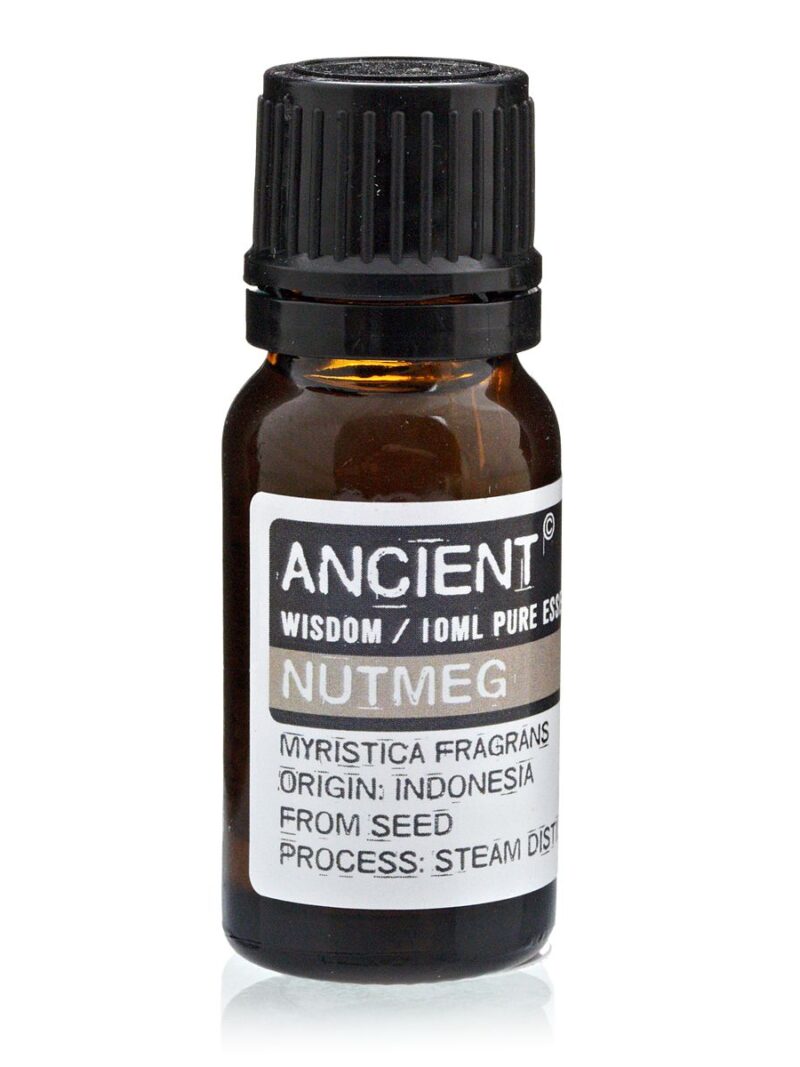
  • 10 ml Nutmeg Essential Oil

    10 ml Nutmeg Essential Oil

    £6.60

    Latin Name : Myristica Fragrans
    Part Of Plant Used : Seed
    Source : Indonesia
    Extraction Method : Steam Distillation 

    Steam distilled Nutmeg Essential Oil is a warming oil that when used judiciously, it is a wonderful essential oil for use in helping to ease digestive complaints as well as muscular aches and pains.

    Aromatically, Nutmeg Essential Oil is a warm, spicy essential oil that is sweet and somewhat woody. It blends beautifully with other essential oils in the spice family. It also blends well with floral, citrus and wood essential oils. It can add a beautiful, distinctive spicy characteristic to otherwise bland blends.

    Emotionally, Nutmeg Essential Oil can be a very stimulating essential oil. It can be especially helpful in supporting motivation and focus during especially challenging times.

    IFRA: IFRA
    SDS: SDS
    Allergen Declarations: Allergen Declarations
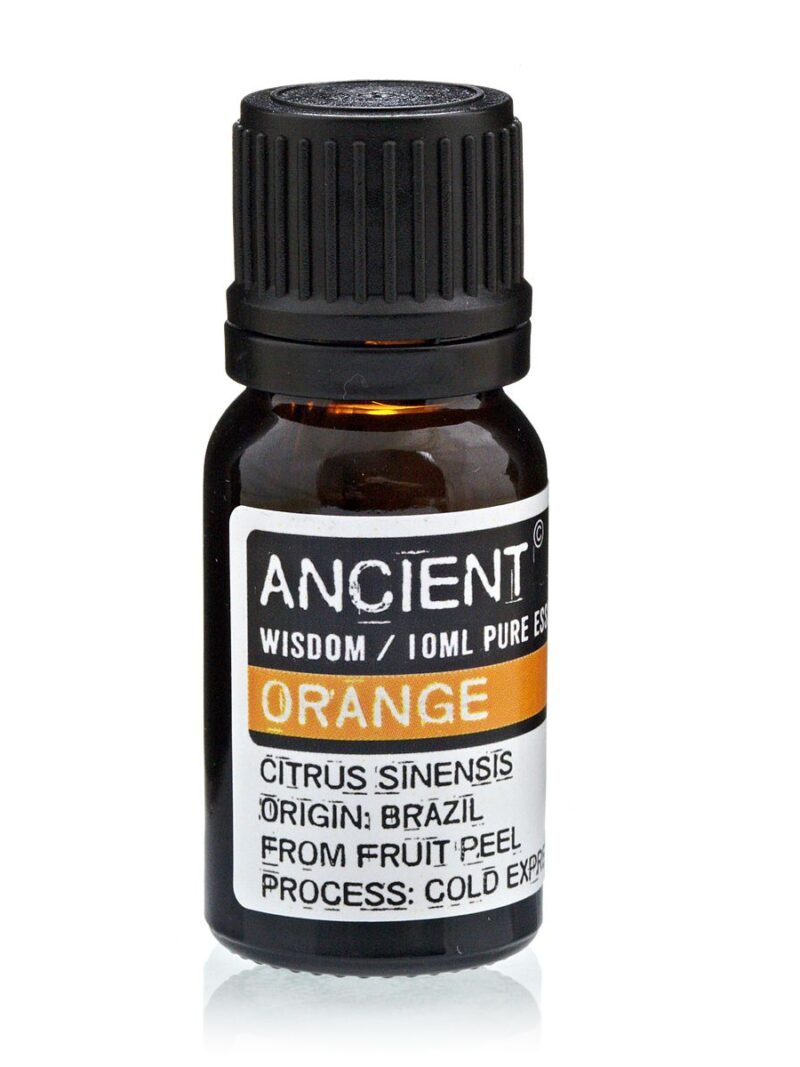
  • 10 ml Orange Essential Oil

    10 ml Orange Essential Oil

    £2.00

    Latin Name : Citrus Sinensis
    Part Of Plant Used : Fruit Peel
    Source : Brasil
    Extraction Method : Cold Expression

    Orange Essential Oil’s ability to naturally enhance immunity and reduce several symptoms of numerous ailments have lent it to traditional medicinal applications for the treatment of acne, chronic stress, and other health concerns.

    Used in aromatherapy, Orange Essential Oil’s pleasant scent has a cheerful and uplifting yet simultaneously relaxing, calming effect that helps reduce pulse rate. It can not only create a warm environment but can also stimulate the strength and resilience of the immune system and eliminate airborne bacteria.

    Applied in a massage, Orange Essential Oil is known to increase blood flow. This is known to relieve discomforts associated with inflammation, headaches, menstruation, and low libido.

    Orange Essential Oil reduces the incidents of painful and reflexive muscle contractions. It is traditionally used in massages to relieve stress, abdominal pain, diarrhea, constipation, indigestion or improper digestion, and congestion of the nose.

    IFRA: IFRA
    SDS: SDS
    Allergen Declarations: Allergen Declarations
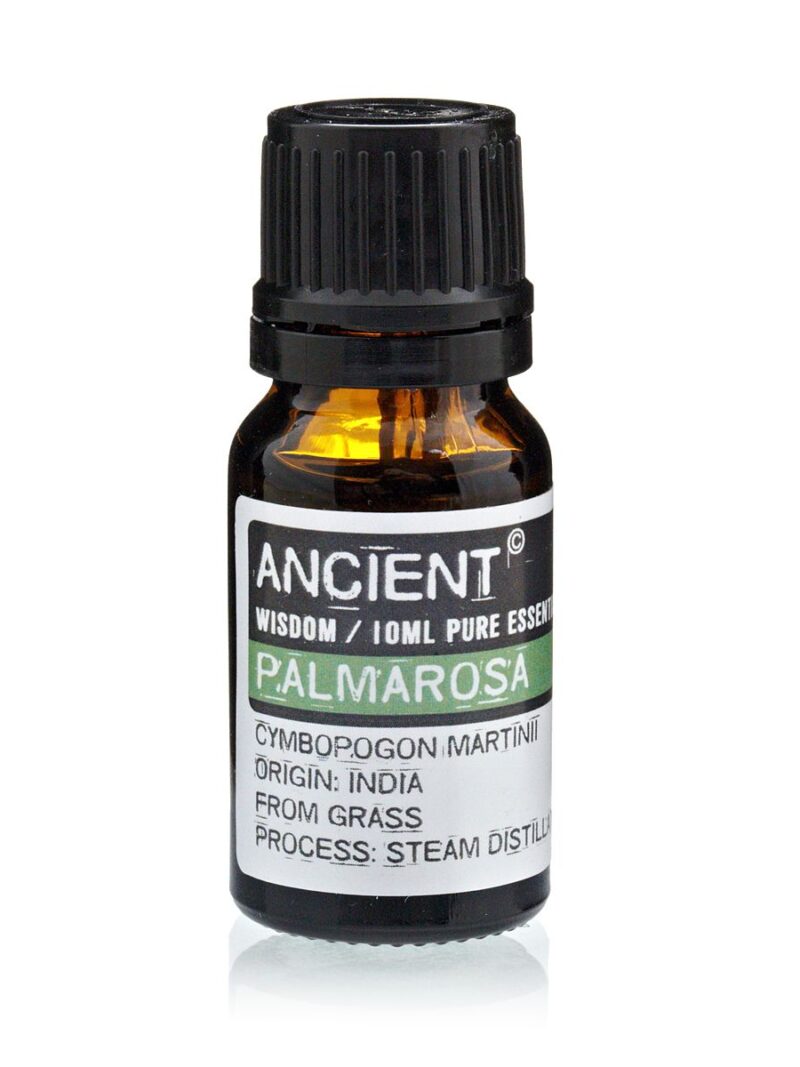
  • 10 ml Palmarosa Essential Oil

    10 ml Palmarosa Essential Oil

    £3.50

    Latin Name : Cymbopogon Martinii
    Part Of Plant Used : Grass
    Source : India
    Extraction Method : Steam Distillation

    Palmarosa Essential Oil has a rose-like scent that makes it a beautiful addition to your essential oil collection. It is an essential oil known for its natural skin benefits.

    Palmarosa is one of nature’s star upholders of skin health. It regulates skin moisture and oil production and is therefore useful for both dry and oily skin. This is the reason why is Palmarosa oil added into skin products as soaps, creams etc. Offering cell renewal benefits, palmarosa essential oil nourishes and restores skin health and harmony. It is also known for its ability to rejuvenate tired, sore feet, so it makes a great foot soak.

    Having both calming and uplifting effects, it is a tonic for the heart and mind. It supports deep sleep, uplifts, calms and settles the mood, and provides comfort and support for feminine cycles. At the same time, it supports a healthy wellness response rendering palmarosa adept at helping speed recovery time during the challenging winter season. Cooling and moistening in essence, palmarosa can offer relief from the mental afflictions of insecurity, grief, or defensiveness.

    IFRA: IFRA
    SDS: SDS
    Allergen Declarations: Allergen Declarations
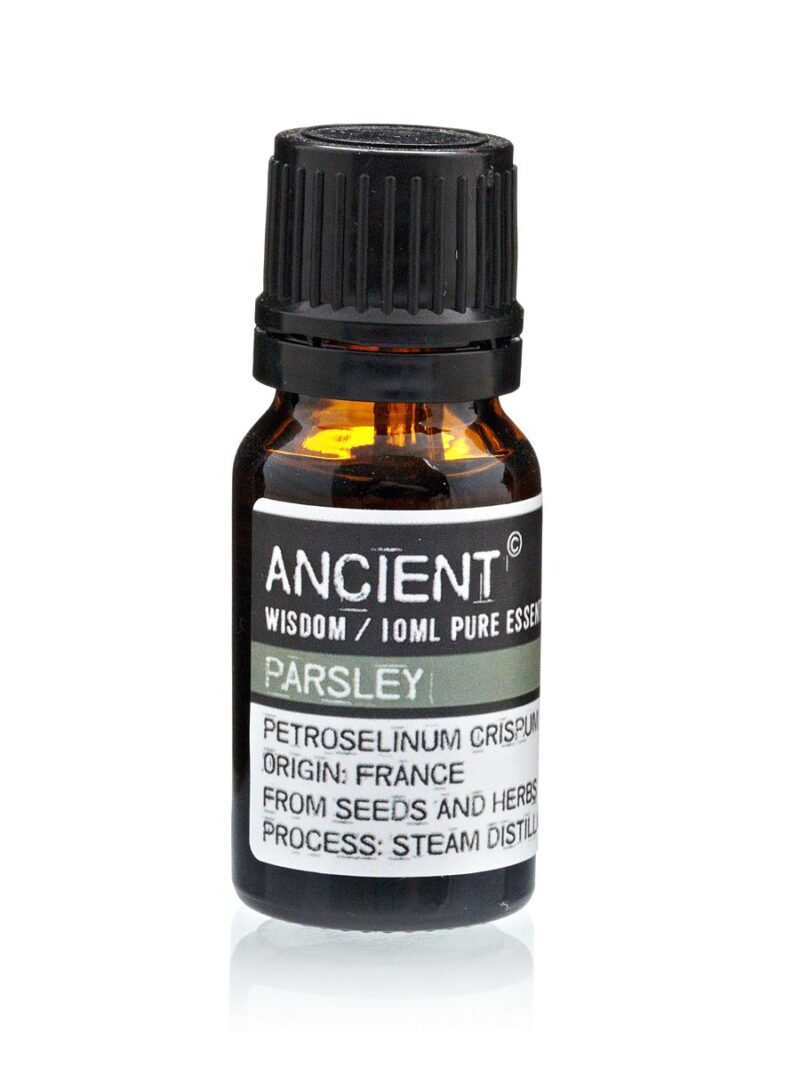
  • 10 ml Parsley Essential Oil

    10 ml Parsley Essential Oil

    £10.50

    Latin Name : Petroselinum Crispum
    Part Of Plant Used : Seed & Herb
    Source : France
    Extraction Method : Steam Distillation

    Parsley Essential Oil exhibits antimicrobial, antiseptic, astringent, carminative, digestive, diuretic, and detoxifying properties. Parsley oil can help kill microbes and inhibit their growth, protecting you from various infections and diseases.

    Where there are microbes, there are infections and diseases, but where there is parsley essential oil, there are no microbes. But why? Perhaps because this oil has extensive antimicrobial properties. That is, this oil has certain components which can kill microbes and inhibit their growth. Therefore, it can effectively give protection against a multitude of infections.

    The essential oil of parsley has certain properties which can help you with rheumatism and arthritis. 

    Parsley essential oil promotes the removal of toxins and other unwanted substances from the body through the urine. This makes it a detoxifier. This helps keep you safe from many diseases which are born due to the accumulation of these unwanted substances in the body, such as rheumatism, arthritis, boils, skin diseases and many others.

    IFRA: IFRA
    SDS: SDS
    Allergen Declarations: Allergen Declarations
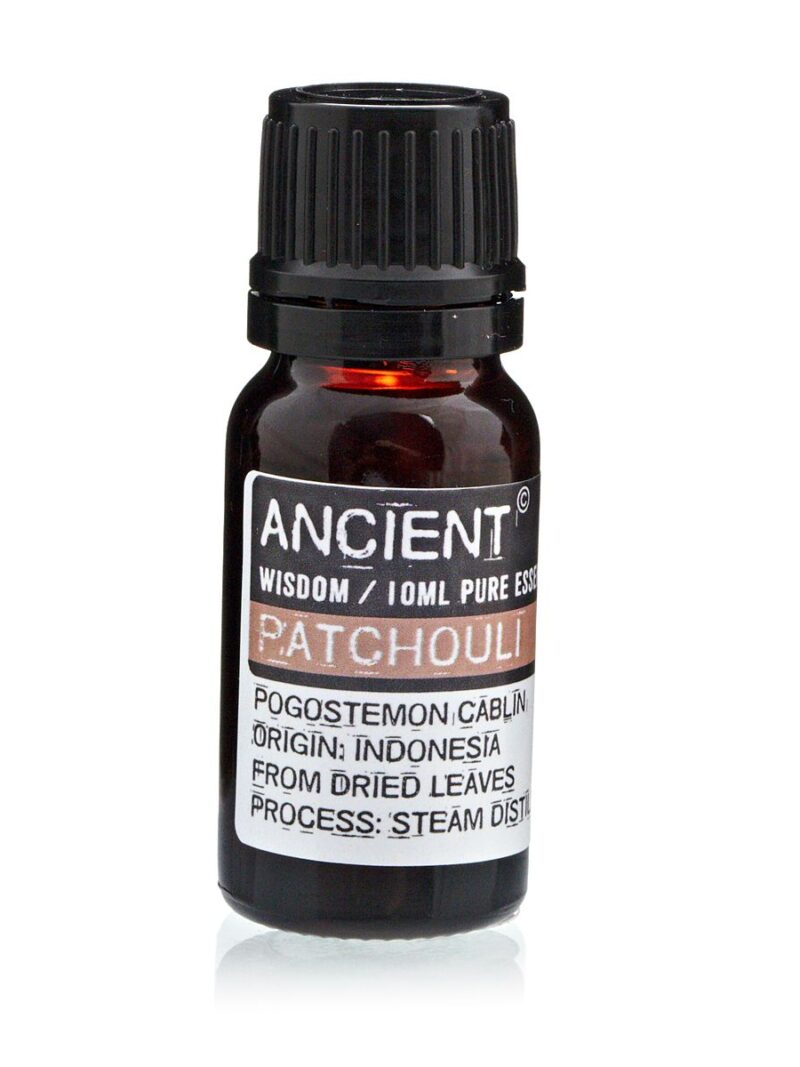
  • 10 ml Patchouli Essential Oil

    10 ml Patchouli Essential Oil

    £4.95

    Latin Name : Pogostemon Cablin.
    Part of Plant Used : Dried Leaves.
    Source : Indonesia.
    Extraction Method : Steam Distillation.

    Patchouli Oil is extracted from the Pogostemon cablin plant of the mint family and has a rich musky-sweet, spicy smell. The plant is native to Malaysia and India, where it is known as 'puchaput'. The word patchouli is derived from Tamil 'pachchai ilai' meaning, simply, 'green leaf.' Patchouli oil is extracted from the young leaves, which are dried and fermented before steam distillation. This oil improves its fragrance and power with age. It is much valued in skin care, especially in scar healing.

    In eastern countries, patchouli oil is used in potpourris and sachets   between linen and clothes for the fragrance as well as to keep bedbugs and insects away. The oil is said to have a balancing effect on the emotions and create an amorous atmosphere. When used in an oil   burner, it eases anxiety and depression. Used in bath water, it is   believed to help skin and scalp complaints, fungal infections, fluid retention, break down cellulite and ease constipation. It has excellent tissue regenerating properties, speeds up healing and fights infections. Thus, it helps acne, eczema, weeping sores, ulcers, and athlete's foot.

    It seems that patchouli was placed between Indian cashmere shawls before being sent to Victorian England, to protect the merchandise from moths. Without this signature smell of dried patchouli leaves, the shawls could not be sold in England. In Europe and America, patchouli oil and incense was immensely popular in the 1960s and 70s among the hippies, since the smell of patchouli covered body odour and the smell of burnt cannabis. Patchouli was used as a hair conditioner for dreadlocks. In many Asian countries, patchouli is also used as an antidote to snakebite.

    IFRA: IFRA
    SDS: SDS
    Allergen Declarations: Allergen Declarations